 Ozikoro
Anthropology and Ethnography · Published history
The War Canoe House System (Wari): Kalabari’s Unique Engine of Commerce and Governance
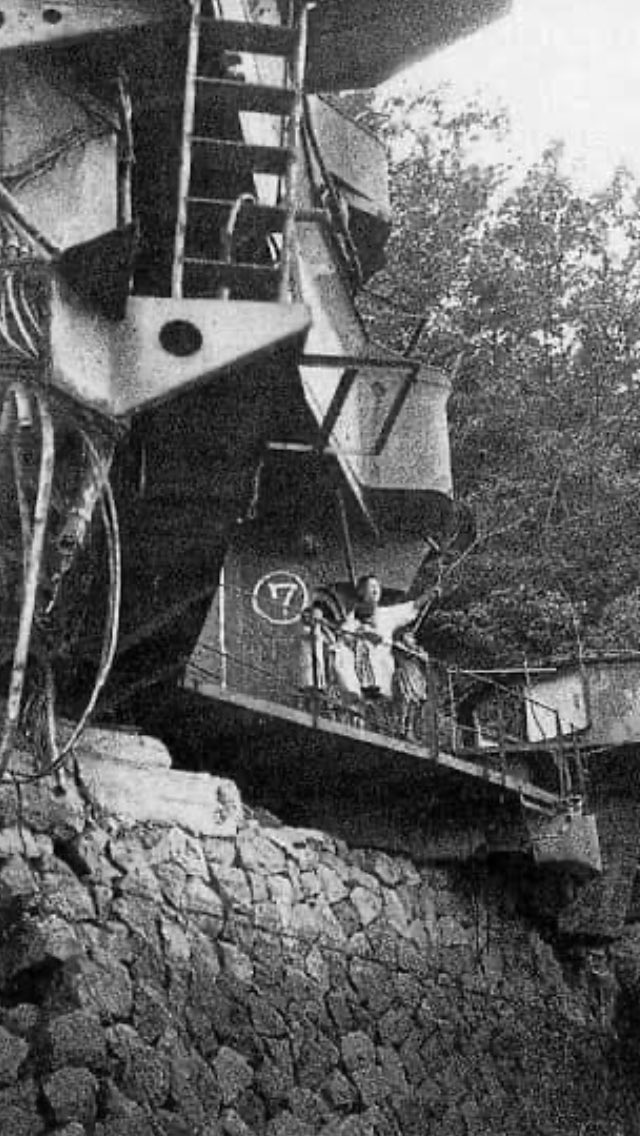
Among the Kalabari people of the Niger Delta, the War Canoe House System called wari, stands as one of the most sophisticated traditional institutions in West African history. Although the name may suggest a purely military structure, the wari was far more expansive. It combined political authority, commercial organization, kinship unity, legal administration, and military strength into a single cohesive framework. Scholars such as Briggs and Jones describe it as a corporate social system that shaped Kalabari identity for centuries.
The written record
Historical context
Origins and Meaning of the Wari System
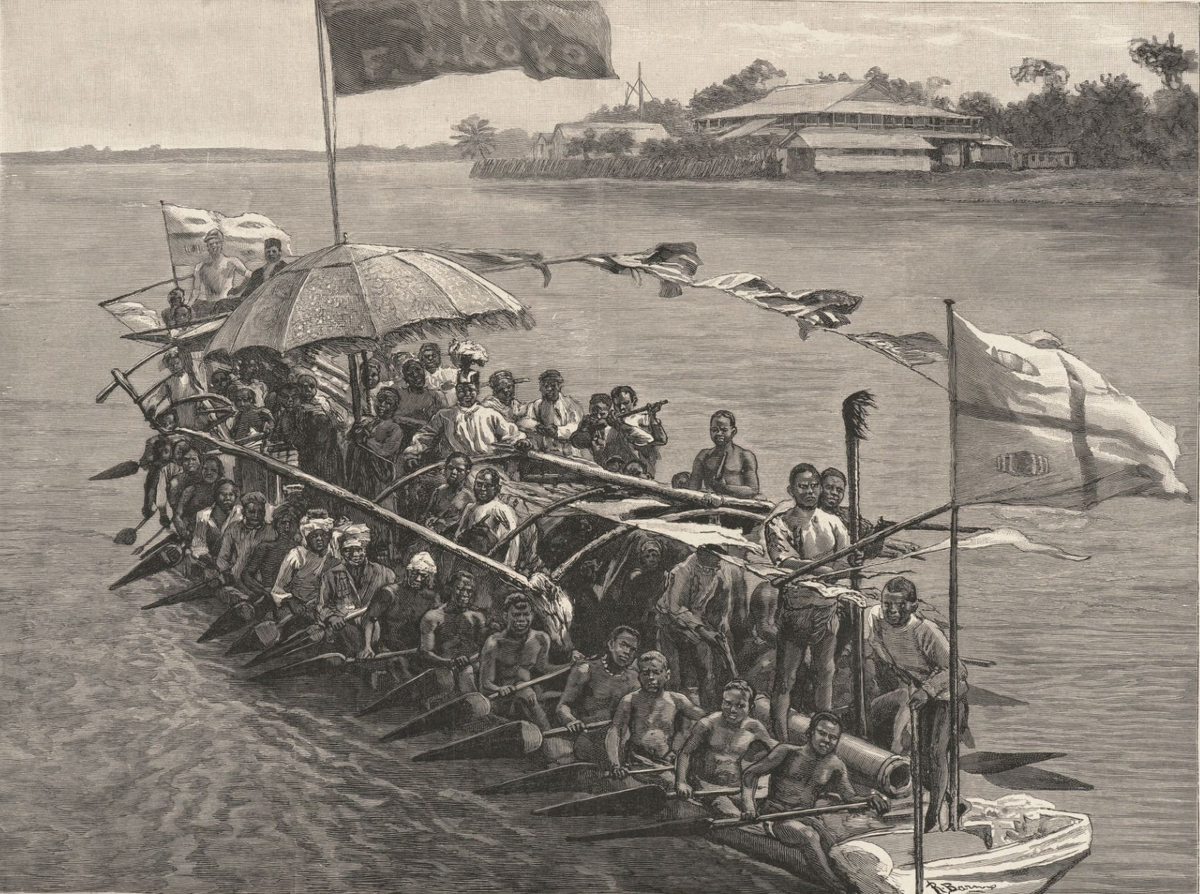
The wari system developed as Kalabari communities settled along the creeks and waterways of present-day Rivers State. These early coastal populations relied heavily on water transport for fishing, trade, and warfare. Large canoes were therefore not just tools, they were symbols of collective unity. Each war canoe represented a house or corporation of families tied by descent, alliance, or trade partnerships. The concept of the “canoe” eventually evolved into a wider institution that bound people together under one political and economic umbrella.
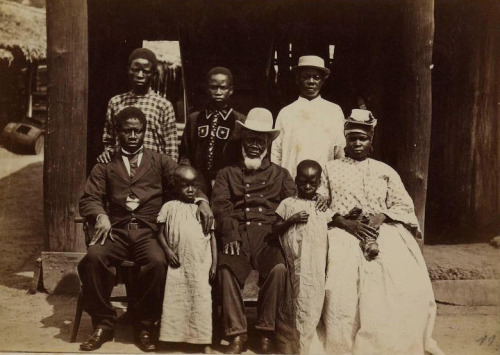
Jones describes these houses as “corporate kin groups,” noting that membership was based not only on blood ties but also on adoption, marriage, or loyal service. This flexibility allowed War Canoe Houses to expand, absorb followers, and strengthen their trading power.
Political and Leadership Structure
At the apex of Kalabari political life was the Amayanabo, the king. Beneath him were the War Canoe Houses, each led by a chief known as the Alabo or Oko-wari. This chief served multiple roles: a judge, military commander, economic manager, and ceremonial leader. He worked closely with a council of elders who represented different sub-lineages or units within the house.
Each War Canoe House was internally divided into smaller units called owu, which were responsible for organizing paddlers, managing resources, overseeing trade missions, or supervising cultural duties. The leadership structure ensured order, accountability, and shared decision-making. According to Briggs, this organization reflected a “highly disciplined and corporate form of governance.”
The Wari as an Engine of Commerce
Trade was the lifeblood of the Kalabari people, and the wari served as the primary commercial institution. Through pooled resources, the house built massive war canoes, financed long-distance trading expeditions, and protected trading routes. These houses engaged in commerce with the Bonny, Nembe, Opobo, Ogoni, and Igbo groups. Williamson notes that the wari operated as a “corporate trading firm,” often controlling access to key markets and waterways.
War canoes acted both as protective escorts and as transport for trade goods such as fish, salt, cloth, palm oil, and later European merchandise. Because trade in the Niger Delta was competitive and sometimes dangerous, the wari fused economic activities with military capability. In return for loyalty and participation, members received shares of the profits, land rights, or economic support during hardship. This made the wari a robust economic support system that uplifted its people collectively.
Wari, Warfare, and Security
The word “war canoe” was not symbolic, these vessels were central to military operations. A single canoe could hold from sixty to over one hundred paddlers, armed with spears, shields, and later firearms. Battles were fought to secure trading rights, defend territory, or respond to political conflicts with neighboring states.
However, warfare was only one aspect. Diplomacy was equally vital. Houses formed alliances, made peace agreements, and even intermarried to maintain political stability. Horton emphasizes that war canoes were as important in “preventing conflict” as they were in waging war because their presence alone signaled strength and discouraged attacks.
Judicial and Social Welfare Functions
The wari system served as a legal authority long before the imposition of British colonial courts. Disputes involving marriage, property, trade, or inheritance were resolved within the house. Chiefs presided as judges, assisted by elders, and judgments were enforced collectively. This created a system of internal accountability and minimized prolonged feuds.
Additionally, each house provided welfare to members, supporting widows, offering food during hardship, and providing protection for strangers or dependents. Alagoa observes that the wari acted as “a miniature government,” responsible for the economic and social wellbeing of its followers.
Transformation Under Colonial Rule
The arrival of the British in the late nineteenth century changed the wari system dramatically. Colonial authorities banned the military use of war canoes, introduced foreign courts, and reduced the power of chiefs. Trade patterns shifted from indigenous networks to European-controlled markets. Despite these disruptions, the wari system survived by adapting to new realities.
Rather than being military-political corporations, modern War Canoe Houses shifted into cultural, ceremonial, and community-based organizations. Briggs notes that they evolved into “custodians of tradition,” maintaining heritage even as their economic roles diminished.
The Wari in Contemporary Kalabari Society
Today, War Canoe Houses remain central to community life in Buguma, Abonnema, Bakana, and other Kalabari towns. They are responsible for electing chiefs, settling disputes, preserving genealogies, organizing festivals, and maintaining unity among extended families.
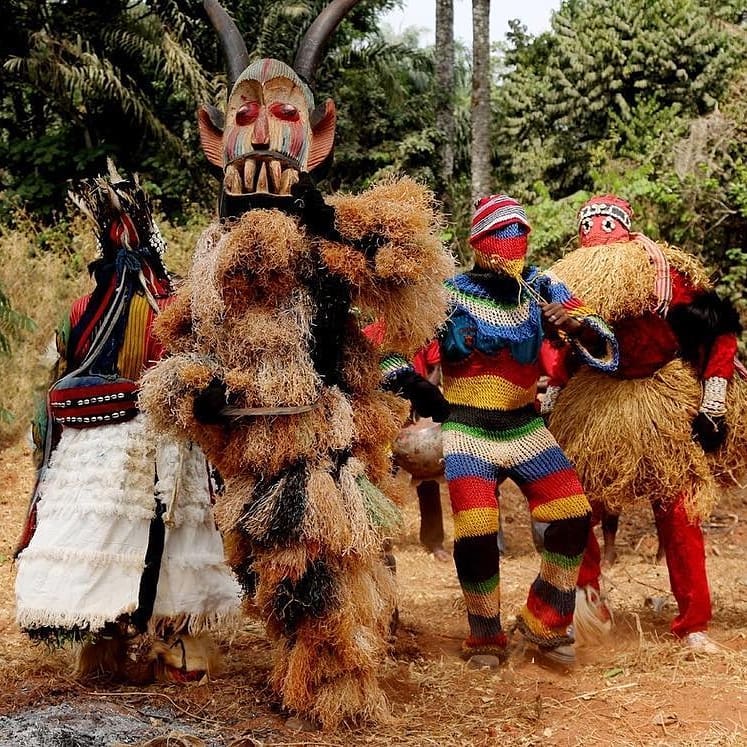
Modern houses also participate in cultural displays such as regattas, masquerades, and royal ceremonies. The wari remains a living institution evidence that traditional systems, when adaptive, can survive modern pressures.
The War Canoe House System is one of the strongest examples of indigenous governance in West Africa. It combined military strength, commercial enterprise, social welfare, and political authority in a way that sustained Kalabari society for centuries. Though colonialism altered its functions, the wari endures today as a powerful cultural and political institution. As scholars like Alagoa and Horton affirm, this system continues to shape Kalabari identity and demonstrates how traditional structures can evolve while preserving their core values.
Sources and references
- Alagoa, E. J. (“1972”). A History of the Niger Delta. Ibadan: Ibadan University Press.
- Briggs, O. (“2007”). War Canoe Houses and the Social Structure of the Kalabari People. Port Harcourt: Delta Heritage Press.
- Horton, R. (“1991”). “Kalabari Warfare and Trade.” Journal of African History, 12(2), 233–251.
- Jones, G. I. (“1963”). The Trading States of the Oil Rivers. London: Oxford University Press.
- Williamson, K. (“1988”). Ethnological N otes on the Niger Delta. Ibadan: Spectrum Books.
Cite this article
Discussion
Sign in to join the discussion
Comments are checked by an editor before they appear. Leave a source or a correction and it is read first.
Continue reading
Related histories
 Anthropology and EthnographyThe Demography of Biafran Slave Exports (1650–1850)Read history →
 Anthropology and EthnographyMasquerade Traditions from Igboland to the Caribbean (Jonkonnu, Mocko Jumbie)Read history →
 Anthropology and EthnographyMapping Igbo Destinations in the Americas: A Comparative AnalysisRead history →
No comments yet
Nothing has been approved on this record yet. Comments are checked by an editor before they appear, so one written now shows on this page after that check.