 Ozikoro
 Anthropology and Ethnography · Published history
The Waters and the Woods: The Itsekiri-Urhobo Symbiosis in the Pre-Colonial Niger Delta
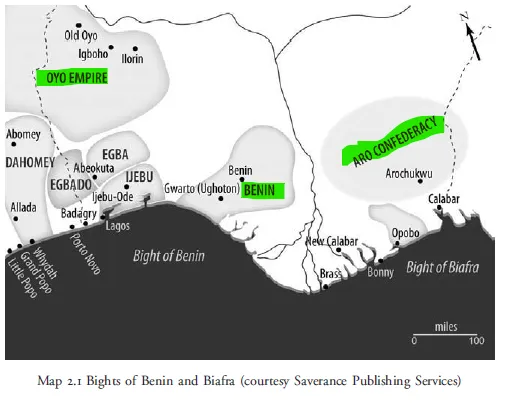
The history of the western Niger Delta is often framed through the lens of conflict and colonial intervention; however, beneath the political friction lies a foundational “economic symbiosis” between the Itsekiri and the Urhobo peoples. This relationship, built on the exchange of ecological specialties, represents one of the most enduring examples of regional interdependence in Nigerian history. While the Itsekiri dominated the saltwater mangrove swamps, focusing on “maritime commerce,” the Urhobo occupied the lush hinterland forests, mastering “agriculture and forest extraction.” This essay explores the historical trade of salt and fish for yams and palm oil, a “symbiotic necessity” that predated the arrival of Europeans and served as the lifeblood of the Benin River and Ethiope River economies.
The written record
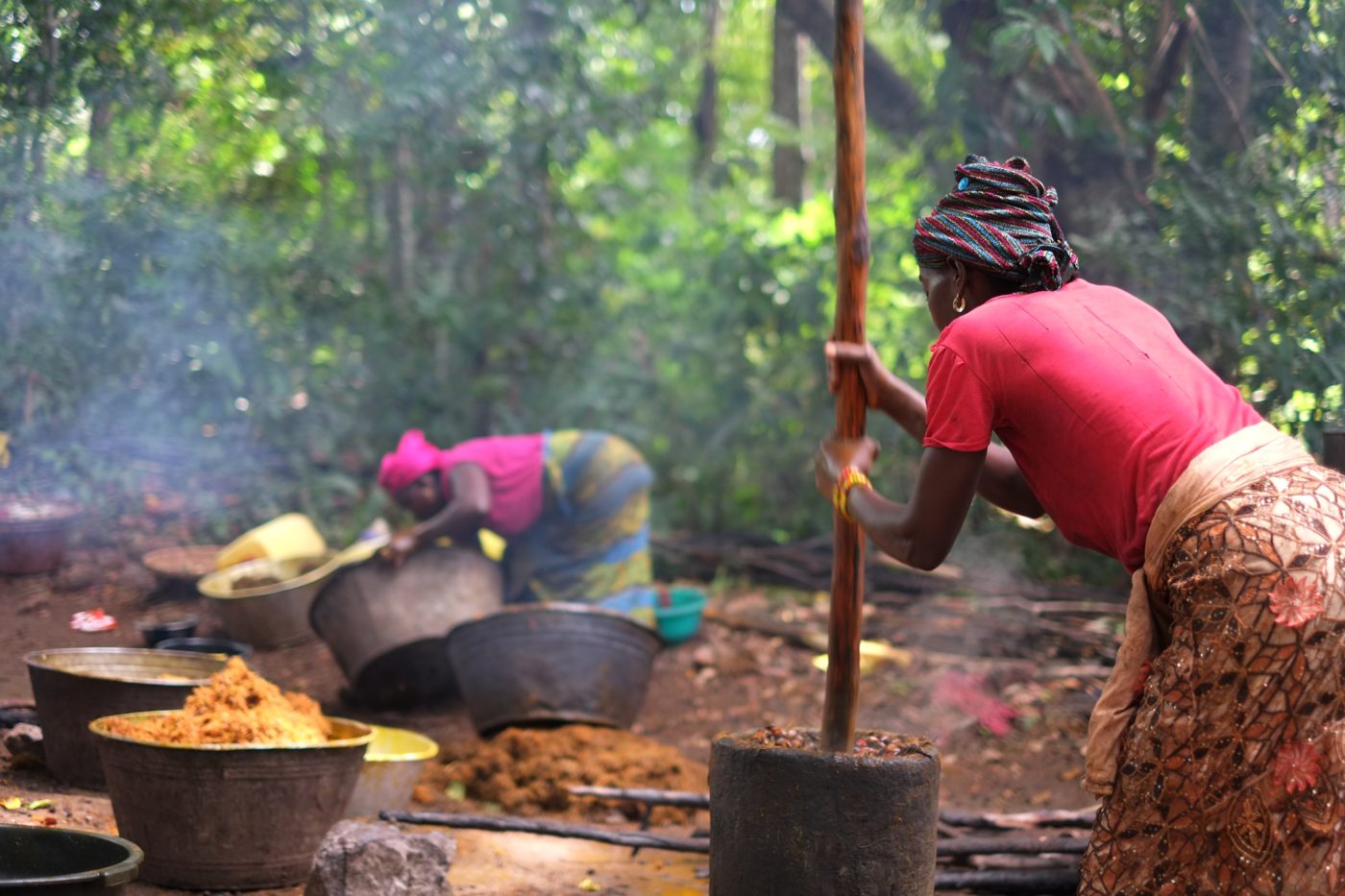
Photo Credit: National Archives of Nigeria / Historical Collection.
Historical context
The Ecological Basis of Interdependence
The “Itsekiri-Urhobo symbiosis” was primarily driven by geography. The Niger Delta is divided into distinct ecological zones, each lacking the resources found in the other;
The Maritime Economy: The Itsekiri inhabited the salt-water swamp regions. Their environment was unsuitable for large-scale agriculture due to the salinity of the soil and frequent flooding. Consequently, they became masters of the water, excelling in “fishing, salt-making, and canoe-building.
The Forest Economy: Conversely, the Urhobo inhabited the “hinterland,” characterized by fertile soil and dense rainforests. Their environment was ideal for cultivating tubers and harvesting the oil palm tree (Elaeis guineensis), but they lacked direct access to the sea and its nutritional mineral resources.
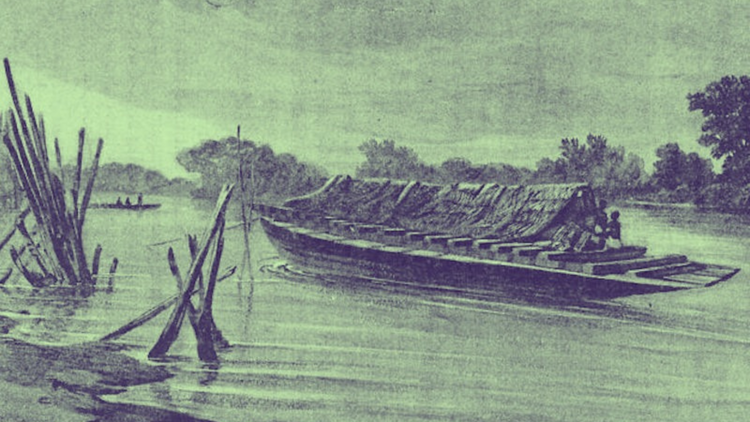
Photo Credit: G. I. Jones Archives / Museum of Archaeology and Anthropology, Cambridge.
The Trade in Salt and Fish: The Coastal Contribution
Salt and fish were the primary currencies of the Itsekiri in the local trade network. Before the mass importation of European table salt, the Itsekiri “salt-industry” was a vital regional monopoly;
- Indigenous Salt Production: Itsekiri women were renowned for producing salt through the evaporation of seawater and the burning of salt-saturated mangrove roots. This “native salt” was essential for the diet of the interior peoples, particularly for those whose agricultural diet was low in sodium.
- Preserved Fish: The Itsekiri utilized various smoking and drying techniques to preserve their catch. “Dried fish” became a primary source of animal protein for the Urhobo, who lived in areas where tsetse fly infestations often made large-scale cattle rearing difficult.
The “Saltwater” Identity: This trade cemented the Itsekiri’s role as the “providers of the sea,” a status they used to negotiate favorable terms for the agricultural goods they lacked.
Hinterland Commodities: Yams, Oil, and Starch
In exchange for the products of the sea, the Urhobo provided the “essential calories” and raw materials required by the coastal communities;
The “Yam” as a Cultural Staple: The Urhobo provided yams, which became a central part of the Itsekiri diet. Because the Itsekiri could not farm these tubers in the swamps, the “yam-trade” was a matter of food security for the coastal towns.
The Rise of Palm Oil: Initially a domestic cooking fat, palm oil became the “global commodity” of the 19th century. The Urhobo were the primary producers of this oil, which they traded to Itsekiri “middlemen” like Chief Nana Olomu.
Cassava and Starch: The Urhobo also specialized in the processing of cassava into “starch” and garri. Today, “starch and bangi soup” remains a shared cultural dish between both groups, serving as a culinary testament to this historical trade.
The “Canoe-Market” System: The Mechanics of Exchange
The trade was conducted through a sophisticated “riverine market system” that transformed the creeks into highways of commerce;
- Floating Markets: Trade often took place at “waterside markets” (often called Eki) situated at the boundaries of Itsekiri and Urhobo territories. Canoes laden with fish and salt would meet Urhobo caravans carrying yams and oil.
- Barter and Currency: Before the British pound, exchange was conducted through “barter” and indigenous currencies like “cowries” and “manillas.” The value of a basket of smoked fish was often pegged directly to a specific number of yam tubers.
- Social Integration: This economic exchange led to deep social ties. Many Itsekiri traders took Urhobo wives, and vice versa, to “cement trade alliances.” This resulted in widespread bilingualism and shared cultural practices across the ethnic boundary.
From Symbiosis to Middleman Monopoly
As European ships began to frequent the coast, the nature of the symbiosis shifted from “subsistence exchange” to “export-oriented commerce;
- The “Middleman” Role: The Itsekiri utilized their maritime skills and “war canoes” to position themselves as the sole intermediaries. They purchased “Urhobo oil” at low interior prices and sold it to Europeans at significant markups.
- The Trust System: Itsekiri merchants would provide Urhobo producers with European goods (cloth, gin, guns) on “trust,” with the expectation of repayment in palm oil during the next harvest.
- Tensions of the 19th Century: This shift sometimes strained the symbiosis. The Urhobo often felt exploited by the “monopolistic prices” set by Itsekiri governors, leading to occasional “trade boycotts” where the hinterland would withhold food supplies to force a price adjustment.
The Impact of British Colonization on the Trade
The arrival of formal British administration in the late 19th century sought to “break the Itsekiri monopoly” and open direct trade with the Urhobo producers;
- The Opening of the Hinterland: British “punitive expeditions” and the establishment of “Native Courts” allowed Urhobo traders to bypass the Itsekiri coastal hubs and trade directly with European firms in Sapele and Warri.
- Market Formalization: The informal “waterside markets” were replaced by “government-regulated markets,” and the indigenous salt industry declined as cheap European salt flooded the Delta.
- The Enduring Cultural Link: Despite the disruption of the “middleman system,” the basic exchange of “coastal fish and starch for hinterland produce” remains a feature of local Delta markets to this day.
The “Itsekiri-Urhobo symbiosis” was the foundation upon which the commercial prosperity of the western Niger Delta was built. It was a relationship born of “ecological necessity” the realization that neither group could flourish without the products of the other. The exchange of “salt and fish for yams and oil” was more than a mere transaction; it was a social contract that integrated different environments into a single, functional “commercial empire.” While political and colonial narratives often emphasize the divisions between these groups, their shared economic history reveals a profound legacy of “cooperation and mutual reliance” that continues to shape the cultural and social landscape of Delta State today.
Sources and references
- Dike, K. O. (1956). Trade and Politics in the Niger Delta, 1830-1885. Oxford: Clarendon Press.
- Ekeh, P. P. (2007). History of the Urhobo People of Niger Delta. Urhobo Historical Society.
- Ikime, O. (1969). Niger Delta Rivalry: Itsekiri-Urhobo Relations and the European Presence 1884-1936. Longmans.
- Lloyd, P. C. (1963). The Itsekiri. International African Institute.
- Otite, O. (1973). Autonomy and Dependence : The Urhobo Kingdom of Okpe in Modern Nigeria. Northwestern University Press.
Cite this article
Discussion
Sign in to join the discussion
Comments are checked by an editor before they appear. Leave a source or a correction and it is read first.
Continue reading
Related histories
 Anthropology and EthnographyThe Demography of Biafran Slave Exports (1650–1850)Read history →
 Anthropology and EthnographyMasquerade Traditions from Igboland to the Caribbean (Jonkonnu, Mocko Jumbie)Read history →
 Anthropology and EthnographyMapping Igbo Destinations in the Americas: A Comparative AnalysisRead history →
No comments yet
Nothing has been approved on this record yet. Comments are checked by an editor before they appear, so one written now shows on this page after that check.