 Ozikoro
Anthropology and Ethnography · Published history
The Women’s War of 1929: Igbo Women’s Resistance to Colonial Rule
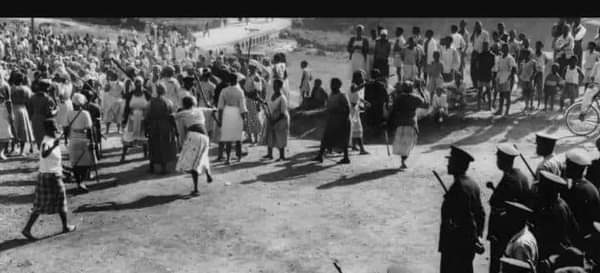
The Women’s War of 1929 often referred to as the “Aba Women’s Riot” stands as one of the most significant anti-colonial uprisings in West African history. Led primarily by Igbo women, with participation from Ibibio, Ogoni, and other southeastern groups, this protest challenged British colonial authority and reshaped policies on governance, taxation, and women’s political rights. The movement demonstrated the organizational strength of women in precolonial Igbo society and their capacity to resist oppressive structures. This article examines the origins, timeline, impact, and legacy of the Women’s War of 1929 within the context of Igbo political traditions and colonial intrusion.
The written record
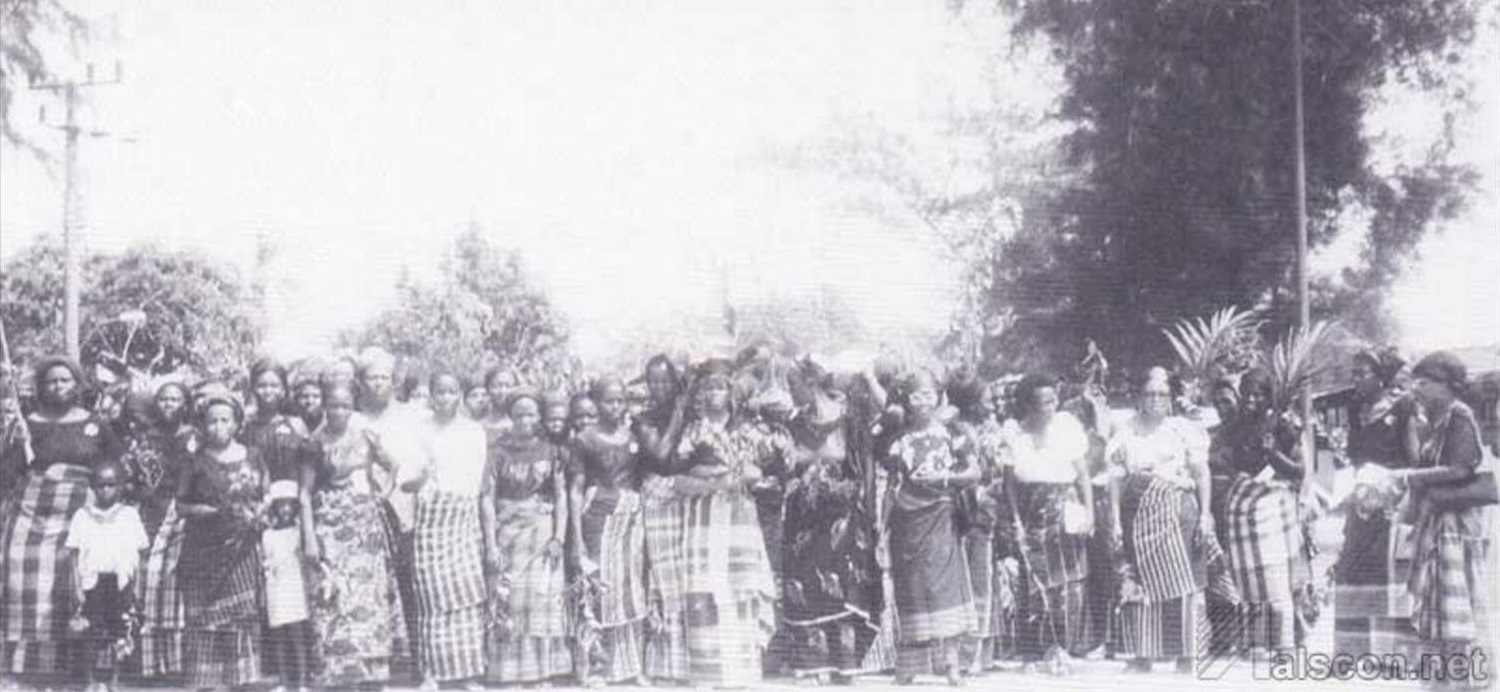
Historical context
Precolonial Igbo Women’s Political Power
To understand the significance of the Women’s War, it is essential to recognize the political roles women held in precolonial Igbo society. The Igbo operated a decentralized system where power was shared among councils, age grades, titled men, titled women, and village assemblies. Women had influential positions such as:
“Umuada” – the council of daughters responsible for social discipline and conflict resolution.
“Otu Ogbo” – age-grade associations engaged in communal decision-making.
Female chiefs or priestesses with significant religious and political authority.
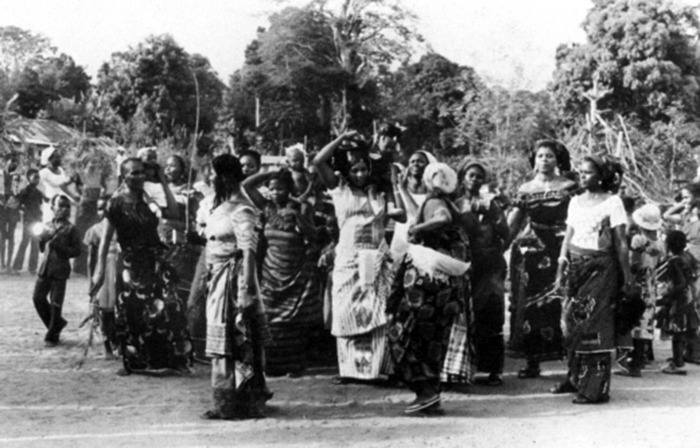
Women participated actively in governance and maintained systems for protecting communal welfare. A key tool in their political arsenal was “sitting on a man,” a collective protest technique involving singing, dancing, satire, and public pressure to correct injustice. This tradition later shaped their approach to resisting colonial policies.
Colonial Rule and Disruption of Indigenous Governance
British colonialism introduced warrant chiefs, native courts, and taxation systems that disrupted the balanced gender relations in Igbo society. Unlike the indigenous structure where power was shared, colonial authorities:
Imposed male warrant chiefs, excluding women from political structures.
Limited women’s access to justice by restricting their roles in customary courts.
Ignored women’s political institutions, thereby removing their traditional influence.
This displacement generated growing tensions. Women found themselves subjected to coercive power from male warrant chiefs who exercised authority without community accountability. The colonial government’s increasing economic pressures especially on women involved in trading and agriculture, further strained relations.
The Spark: Rumors of Taxation on Women
The immediate cause of the Women’s War stemmed from fears that the colonial government intended to extend direct taxation to women. Many women had already suffered economic hardship due to forced labor policies, market disruptions, and new levies imposed on men. Taxes on women would have intensified these burdens.
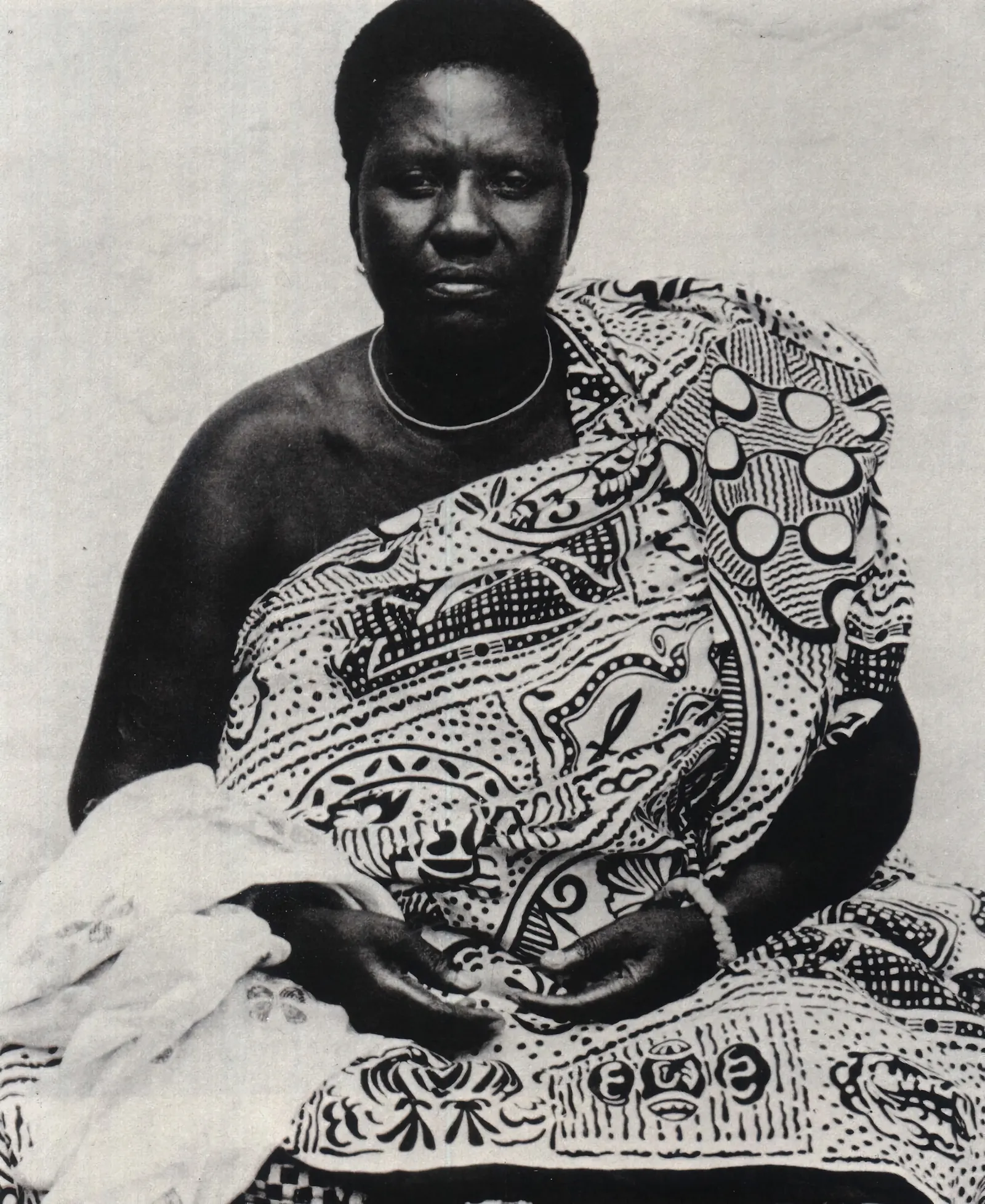
In late 1929, Assistant District Officer J. W. Cook ordered a census in Oloko to reassess taxable wealth. When a local warrant chief, Okugo, attempted to enumerate women and their property, the women interpreted it as a prelude to taxation. Three women leaders from Oloko, Nwaubani, Nwanyeruwa, and Ikonnia played a key role in rallying others. After a heated confrontation between Nwanyeruwa and Okugo, word spread rapidly across communities.
Women mobilized through traditional communication networks, using market connections, kinship lines, and symbolic signals to gather thousands of participants from multiple ethnic groups.
The Outbreak and Spread of the Uprising
Beginning in November 1929, what started as a local protest in Oloko expanded across southeastern Nigeria. Women traveled long distances to join demonstrations, chanting, singing satirical songs, dancing, and “sitting on” corrupt officials. Major activities included:
Surrounding native courts and demanding the removal of unfair warrant chiefs.
Blocking administrative offices and roads.
Destroying property associated with colonial power, such as court buildings and European factories.
Using mockery, solidarity songs, and symbolic gestures to express grievances.
Over 10,000 women participated across towns such as Aba, Owerri, Calabar, Ikot Ekpene, and Umuahia. The protests remained largely nonviolent, but tensions escalated as colonial troops opened fire on unarmed women. Approximately 50 women were killed and many were injured, an act that intensified criticism of the colonial administration.
British Response and Policy Review
The scale and determination of the uprising shocked the British authorities, revealing the depth of dissatisfaction among women. The colonial government set up the Aba Commission of Inquiry in 1930 to examine the causes of the revolt. Although the inquiry did not fully acknowledge the legitimacy of women’s political structures, it led to important policy changes:
The direct taxation of women was abandoned.
The system of warrant chiefs began to be reevaluated due to proven inefficiencies and corruption.
Women were gradually incorporated into native courts.
Colonial officials became more cautious in imposing economic policies without community consultation.
The Women’s War exposed flaws in colonial governance and forced reforms that shaped later administrative practices.
Impact on Gender Relations and Political Identity
The Women’s War affirmed women’s political voice and restored their visibility in governance. It revitalized traditional women’s networks, strengthened communal solidarity, and challenged attempts to sideline women from public life. The uprising also inspired later movements, including:
The 1947–48 Women’s Riot in Aba and Onitsha.
Anti-tax protests in Eastern Nigeria during the 1950s.
Women’s activism in Nigeria’s nationalist movement.
The legacy of 1929 remains visible today in gender advocacy, political representation, and studies of indigenous feminist resistance. The protest is increasingly interpreted not merely as an anti-tax riot but as a strategic, organized women’s revolution rooted in Igbo political culture.
Ụkpụrụ̄
Historical Significance and Memory
The Women’s War of 1929 stands as a landmark moment in African resistance history. It demonstrated that:
Igbo women possessed strong political consciousness.
Indigenous governance structures recognized women’s authority.
Colonial rule failed to understand local systems, leading to conflict.
Today, historians and scholars highlight the movement as an early example of African feminism and collective action. It is commemorated in books, documentaries, museum exhibitions, and academic studies. Its lessons continue to inform contemporary discussions on gender, governance, and resistance to oppression.
The Women’s War of 1929 represents a powerful chapter in Nigerian and African history. Through organization, courage, and collective action, Igbo women challenged colonial injustice and defended their socio-economic rights. Their resistance reshaped colonial policies, revived indigenous institutions, and asserted women’s rightful place in governance. As a testament to their resilience, the Women’s War continues to be celebrated as a symbol of African women’s agency in the face of foreign domination. It remains one of the earliest and most successful mass protests led by women on the African continent, an enduring reminder that women have always been central to political transformation.
Sources and references
- Afigbo, A. E. (1972). The warrant chiefs: Indirect rule in Southeastern Nigeria, 1891–1929. Longman.
- Allen, J. (1975). “Sitting on a man”: Colonialism and the lost political institutions of Igbo women. Canadian Journal of African Studies, 6(2), 165–181.
- Matera, M., Bastian, M. L., & Kent, S. (2013). The Women’s War of 1929: Gender and violence in colonial Nigeria. Palgrave Macmillan.
- Ottenberg, S. (1975). African women in social change. Stanford University Press.
- Van Allen, J. (1972). Aba riots or the Igbo wo men’s war? Ideology, stratification, and the invisibility of women. Ufahamu, 3(1), 11–40.
Cite this article
Discussion
Sign in to join the discussion
Comments are checked by an editor before they appear. Leave a source or a correction and it is read first.
Continue reading
Related histories
 Anthropology and EthnographyThe Demography of Biafran Slave Exports (1650–1850)Read history →
 Anthropology and EthnographyMasquerade Traditions from Igboland to the Caribbean (Jonkonnu, Mocko Jumbie)Read history →
 Anthropology and EthnographyMapping Igbo Destinations in the Americas: A Comparative AnalysisRead history →
No comments yet
Nothing has been approved on this record yet. Comments are checked by an editor before they appear, so one written now shows on this page after that check.