 Ozikoro
 Anthropology and Ethnography · Published history
Trans-Saharan Technology Transfer: The Impact of Turkish Instructors on Indigenous Gun Smelting in the Borno Empire
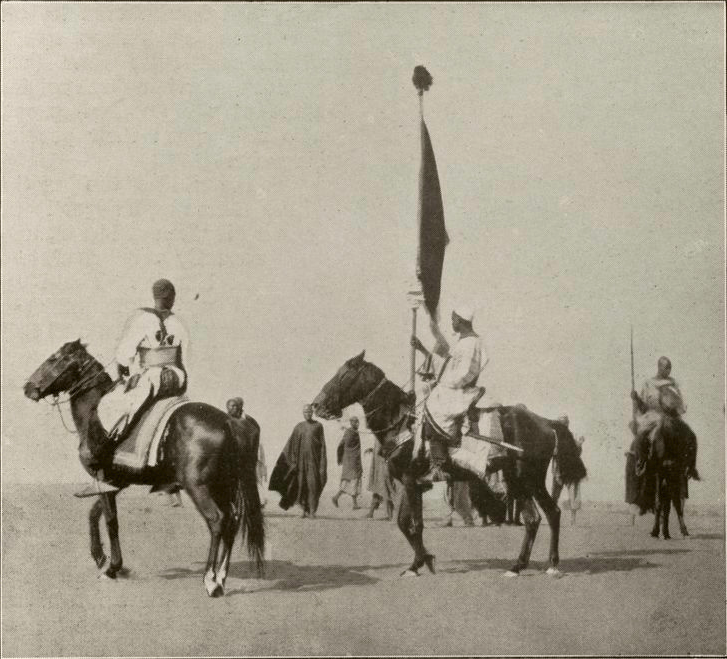
The Borno Empire, one of the oldest and most influential states in the Lake Chad Basin played a critical role in the diffusion of military technology across West and Central Africa. By the sixteenth and seventeenth centuries, Borno had established diplomatic and military relationships with the Ottoman Empire, resulting in the arrival of Turkish instructors who profoundly influenced local firearm production. This trans-Saharan interaction introduced new gun-smelting techniques, improved military organization, and blended with indigenous metallurgical traditions to create a distinctive Borno arsenal.
The written record
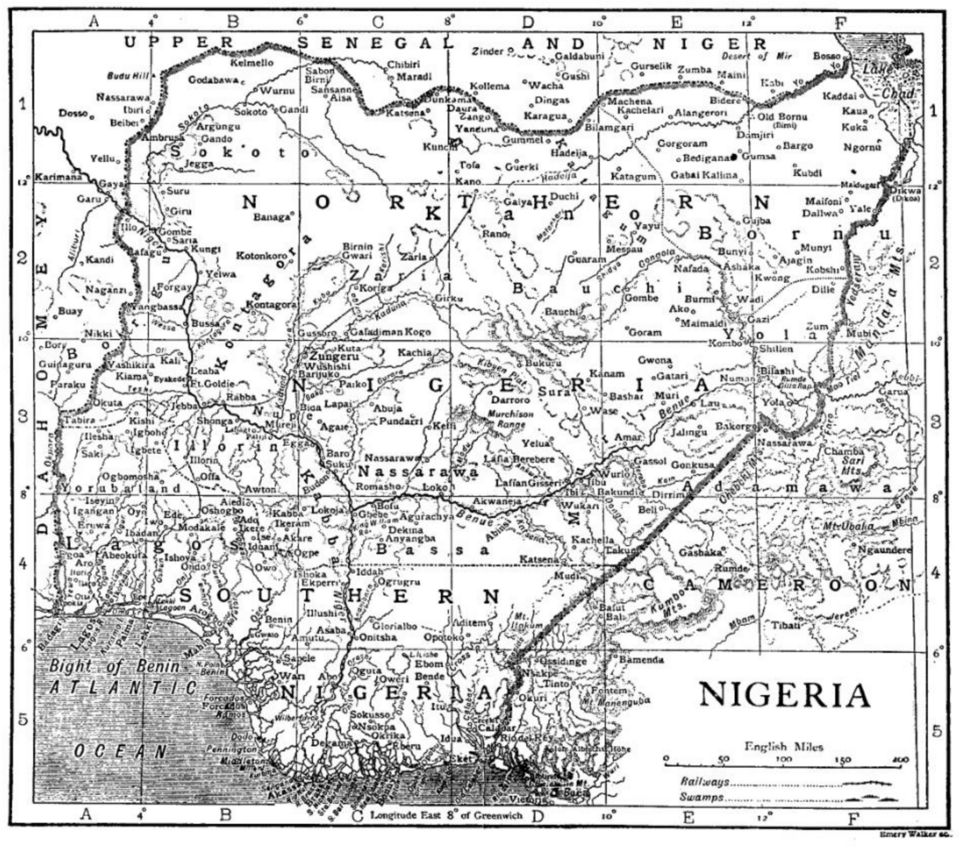
Photo credit: public domain / historical map via Wikimedia commons
Historical context
Historical Background
- Borno Empire and Its Early Military Structure
According to the Bornu Empire article, the state emerged after the fall of Kanem and reached its classical height between the fifteenth and eighteenth centuries. The empire maintained strong diplomatic ties across the Sahara, especially with North Africa and the Ottoman world. Before the introduction of firearms, Borno’s military strength rested on cavalry units equipped with spears, shields, and locally forged iron swords. Indigenous smiths were already skilled in iron smelting, producing tools and weapons suited for warfare and agriculture.
- Ottoman Influence Across the Sahara
By the 1500s, the Ottomans had expanded into North Africa, establishing control over Egypt, Tripolitania, and the Mediterranean coastline. Ottoman Empire frequently supplied firearms, artillery experts, and military advisers to Muslim states in Africa. Ottoman gun technology characterized by matchlock muskets, cannon-casting, and gunpowder improvements spread southward through trans-Saharan trade networks. This diffusion ultimately reached the Borno Empire, whose rulers sought to modernize their military to counter threats from Hausa states, Tuareg raiders, and internal instability.
Arrival of Turkish Instructors in Borno
- Diplomatic Exchange and Recruitment
Historical accounts indicate that Mai Idris Alooma (r. 1571–1603) was central to Borno’s military modernization. Scholarly sources, including Brenner (1973), state that Alooma hired Turkish instructors (“Turkiyawa”) to reform Borno’s army. These instructors crossed the Sahara through Fezzan, likely under Ottoman administrative networks. Their recruitment was part of a broader set of diplomatic relationships involving gift exchange, adoption of Islamic legal institutions, and military cooperation.
- Training in Firearms and Gun-Smelting
The Turkish instructors introduced:
- Matchlock firing techniques,
- Maintenance of early muskets,
- Production of metal gun barrels,
- Refinement of local furnaces for firearm manufacture,
Gunpowder mixing ratios based on Ottoman standards. Entries on Firearm and Gunpowder highlight the importance of specialized metallurgy in creating early guns. These techniques required precise temperatures and controlled forging environments skills that local Borno smiths adapted to their existing ironworking culture.
Indigenous Gun Smelting Before Ottoman Influence
- Local Ironworking Traditions
Before the Ottomans, Borno’s blacksmiths already practiced complex smelting techniques. Ethnographic studies show that indigenous furnaces used laterite and charcoal to produce high-quality wrought iron. These smiths forged arrowheads, spearheads, chainmail, and sword blades. Their technical mastery laid the foundation for adapting Turkish gun-barrel forging.
- Early Exposure to Firearms
Even before Turkish involvement, Borno may have encountered early firearms through trade with Tripoli and Fezzan. However, these weapons were imported rather than locally manufactured. The arrival of trained instructors finally allowed the empire to produce firearms domestically, reducing dependence on trans-Saharan imports.
Transformations in Indigenous Gun-Smelting
- Refinement of Furnaces and Metallurgical Processes
The most Ottoman impact was the modification of local smelting furnaces. Turkish instructors introduced: Stronger clay-based furnace linings,
Bellows designs capable of reaching higher forging temperatures,
Rod-boring techniques to create smooth, hollow barrels,
Barrel-welding methods involving repeated heating and hammering. These innovations are consistent with firearm-manufacturing techniques described in History of Firearms and confirmed by global studies of early modern gun-smelting.
- Integration with Indigenous Craft Guilds
Local smiths (“makera”) incorporated Turkish techniques into their craft but retained indigenous rituals surrounding metalworking. Among Borno’s diverse communities, blacksmithing carried spiritual significance, similar to patterns observed elsewhere in West Africa.
Thus, technology transfer did not erase local customs; instead, it produced a hybrid metallurgical culture blending Islamic, Ottoman, and traditional Kanuri elements.
Military and Political Impact
- Strengthening of Alooma’s Army
With improved firearm production, Alooma created an elite musketeer corps known as “yan bindiga.” This corps is mentioned in multiple historical analyses. Their training enabled:
- More disciplined infantry formations,
- Coordinated musket volleys,
- Integration of firearms with cavalry units.
These reforms gave Borno a decisive advantage in battles across the Lake Chad region.
- Expansion of Regional Influence
Armed with Ottoman-style musketeers, Borno successfully controlled trade routes, subdued rebellious communities, and strengthened its diplomatic ties with North African Islamic states. Improved firearms also altered the balance of power in Hausa-Borno conflicts and shaped military encounters with Tuareg raiders.
Long-Term Legacy of Turkish Influence
- Decline of Ottoman Presence but Survival of Techniques
Although direct Ottoman connections weakened in later centuries due to political shifts and colonial encroachment, many of the introduced metallurgical techniques persisted. Local smiths continued forging gun barrels well into the nineteenth century, even as European flintlocks and later breech-loading rifles entered the region.
- Memory in Oral Traditions
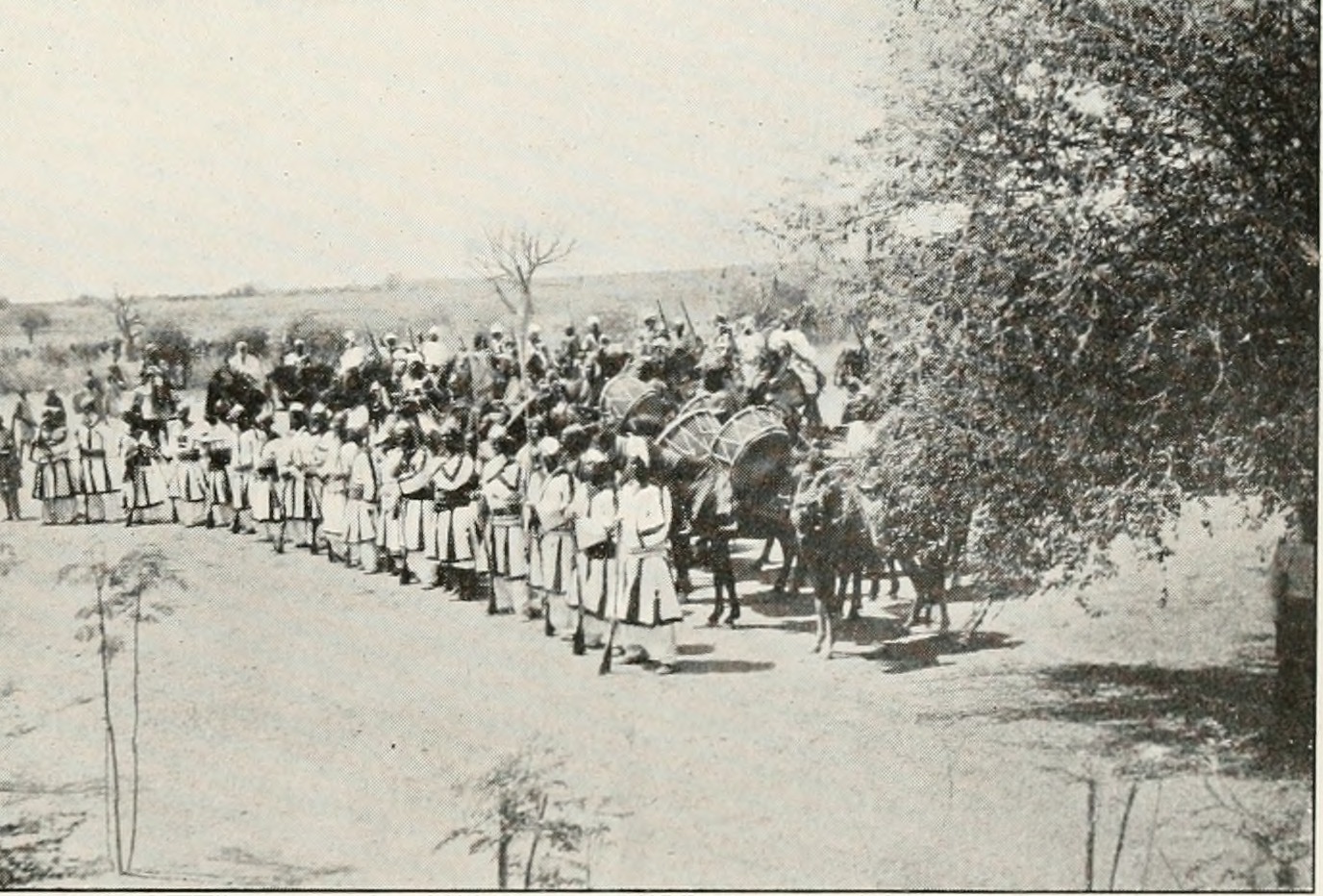
Kanuri oral traditions retain references to the “Turkiyawa” as expert gunmen and teachers. Their influence survives in ceremonial musketeers used in palace festivals in modern Borno and northern Cameroon.
The interaction between the Borno Empire and the Ottoman world represents a significant example of trans-Saharan technology transfer. Turkish instructors introduced advanced gun-smelting methods, enhanced firearm training, and reshaped indigenous metallurgical practices. Rather than replacing local knowledge, their influence blended with existing traditions to produce a culturally hybrid weapons industry. This fusion strengthened Borno militarily, politically, and symbolically, ensuring its dominance for centuries. Understanding this transfer deepens appreciation of Africa’s dynamic role in global technological history and highlights the significance of trans-Saharan connections long before European colonialism.
Sources and references
- Herbert, E. W. (1993). Iron, Gender, and Power: Rituals of Transformation in African Societies. Indiana University Press.
- Lavers, J. (2020). Warfare and state formation in the Lake Chad Basin. Journal of African History, 61(2), 155–175.
- Magnavita, S. (2009). Sahelian Iron Working Reconsidered. Journal of African A rchaeology, 7(1), 7–33.
- Smith, R. (2016). Early Modern Gun-Making Techniques. Routledge.
Cite this article
Discussion
Sign in to join the discussion
Comments are checked by an editor before they appear. Leave a source or a correction and it is read first.
Continue reading
Related histories
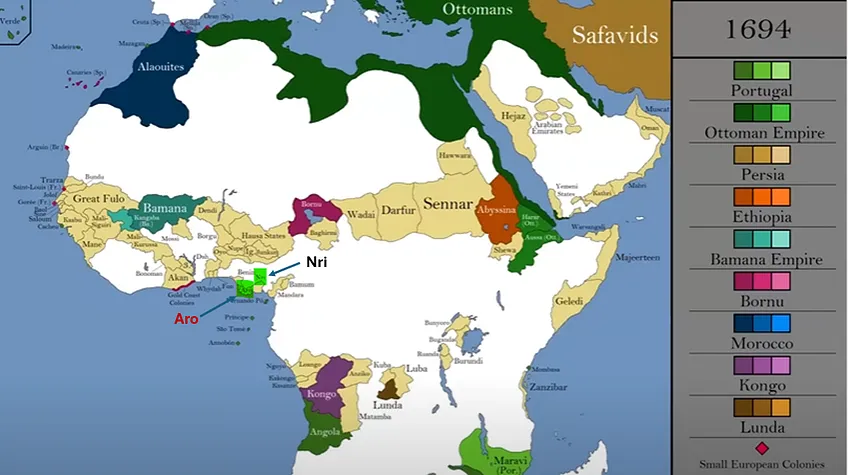 Anthropology and EthnographyThe Demography of Biafran Slave Exports (1650–1850)Read history →
 Anthropology and EthnographyMasquerade Traditions from Igboland to the Caribbean (Jonkonnu, Mocko Jumbie)Read history →
 Anthropology and EthnographyMapping Igbo Destinations in the Americas: A Comparative AnalysisRead history →
No comments yet
Nothing has been approved on this record yet. Comments are checked by an editor before they appear, so one written now shows on this page after that check.