 Ozikoro
 Anthropology and Ethnography · Published history
Treaty Kings: The Unique Diplomatic Status of Efik Rulers Who Signed Sovereign Agreements with European Powers
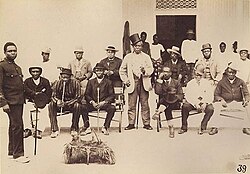
The Efik people of the Cross River region in present-day southeastern Nigeria developed one of West Africa’s most distinctive pre-colonial diplomatic traditions. Their paramount rulers, known as Obongs of Calabar, were not merely traditional chiefs; they were treaty kings, sovereign leaders who negotiated and signed binding agreements with European powers long before the formal imposition of colonial rule. These treaties positioned the Efik and their monarchs as recognized international actors, reconciling indigenous authority with emergent global diplomatic norms.
The written record
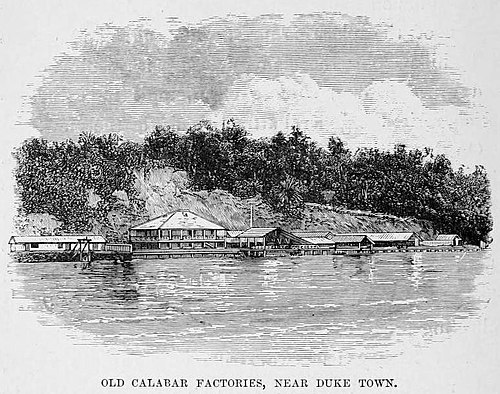
Historical context
Efik Political Authority Before European Contact
The Efik are an ethnic group that migrated down the Cross River in the 17th century and established a constellation of riverine settlements including Creek Town, Duke Town, and Old Town collectively known to Europeans as Old Calabar. From its beginnings as a fishing and trading community, Old Calabar became a major hub in Atlantic commerce, first in enslaved persons and later in palm oil and other products. The ruler of this polity, the Obong of Calabar derived authority from indigenous governance systems, including the influential Ekpe society, which served legislative, judicial, and executive functions within Efik society.
Thus, when Europeans arrived, they encountered an already sophisticated political order, with the Obong and associated chiefs acting as decision-makers on internal affairs and external relations.
The Emergence of Treaty Relations
As European commercial power on the Gulf of Guinea expanded in the 19th century, British and other European officials increasingly sought formal agreements with coastal rulers to regulate trade, suppress the slave trade, and establish political influence. The Efik, as established trading intermediaries, were well positioned to engage on equal footing.
According to historical records, the Obong of Calabar and Efik chiefs entered into several protection treaties with Britain in the mid-1880s, motivated by a desire to secure trade interests amid rising European rivalry and diplomatic competition in West Africa. These treaties are sometimes referred to collectively as the Anglo-Efik Treaties of 1884 and 1885, which formed the basis for British protection and oversight in the region. Notably, Old Calabar was designated part of the later Oil Rivers Protectorate under British auspices.
Thus, the treaties did not immediately erase Efik sovereignty, but institutionalized a form of shared diplomacy whereby the Obong maintained traditional authority while Britain assumed protective duties and regulated foreign interaction.
International Recognition of Efik Sovereignty
Europeans regarded local rulers, including Efik Obongs, as sovereign entities with treaty-making rights under international law as understood at the time. Legal scholars have noted that treaties between West African rulers and European states in the 19th century reflected mutual obligations and rights, even if they were framed within unequal power dynamics. For example, historical analysis from the International Court of Justice noted that treaties signed by Old Calabar rulers and British consular officials were based on model drafts from London and required negotiation, not merely imposition. European negotiators had to modify clauses to secure local assent.
International Court of Justice
This interpretation counters simplistic narratives that African rulers were passive subjects in international agreements. Rather, Efik treaty kings understood their own interests and negotiated terms such as protection, trade assurances, and restrictions on foreign incursion that balanced sovereignty with realpolitik.
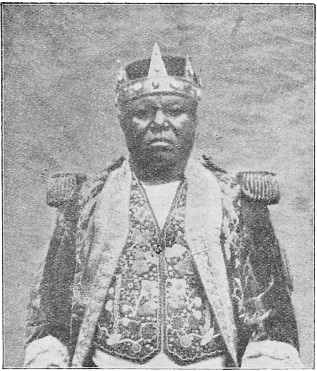
Photo credit; Wikipedia.
The Obong as “Treaty King”
Thanks to these historic agreements, the Obong of Calabar acquired the title and status of a treaty king, a leader recognized not only within indigenous hierarchies but also by European diplomatic and colonial authorities. The title persists in the ceremonial designations used today. Contemporary descriptions of the Obong include the phrase “Natural Ruler, Treaty King, and Grand Patriarch of the Efik Kingdom.” Some accounts note that British monarchs acknowledged this by bestowing ceremonial regalia such as crown, sword, and orb now part of the coronation rituals symbolizing diplomatic links between Efik rulers and the British crown.
This diplomatic recognition differentiated the Efik monarchy from other indigenous rulers whose authority was purely local. It meant that the Obong’s agreements had wider political resonance, influencing not only local governance but also international relations and colonial policy.
Treaty Impacts on Trade and Politics
Efik treaties with Britain had significant economic consequences. As leading middlemen in coastal trade, Efik rulers secured British support in regulating commerce, especially after the abolition of the trans-Atlantic slave trade. Control over palm oil exports and harbor duties depended in part on diplomatic guarantees backed by treaty provisions.
Furthermore, treaties constrained Efik external autonomy to some degree. Article II of the protectorate agreements, for example, required that Efik rulers refrain from independent treaties with other foreign powers, a limitation that reflected British intentions to centralize control over diplomacy in West Africa. Yet, this constraint was accepted by Efik rulers as part of a negotiated relationship aimed at preserving peace and economic stability in a period of rising colonial competition.
Treaties were also invoked in later legal and territorial disputes involving Ekik authority. In international judicial contexts such as discussions over the Bakassi Peninsula treaty terms were referenced to argue the historical scope of Efik jurisdiction and British protection arrangements before the modern Nigerian state was formed.
Transition to Colonial Rule
The protectorate treaties ultimately paved the way for formal colonial administration. The Oil Rivers Protectorate (1885) and later the Niger Coast Protectorate institutionalized British domination over much of the Gulf of Guinea coastline, incorporating Efik-ruled areas into the colonial order. However, local rulers including the Obong and influential chiefs from Creek Town and Duke Town continued to play intermediary roles in governance under colonial supervision.
In this transition, the status of the Obong evolved from treaty king to a traditional monarch within the British colonial hierarchy, and later, within the Nigerian nation-state. Their ceremonial and cultural authority endured, even as political autonomy was circumscribed by colonial administrative structures.
Legacy and Contemporary Significance
Today, the title of Obong of Calabar retains its historical resonance. It symbolizes an ancient kingdom that engaged in sovereign diplomacy, entered international agreements, and navigated the complex interplay between African political agency and European power in the 19th century. The enduring ceremonies, cultural representation, and recognition of the Obong reflect this heritage; for example, the monarch’s historical crown and regalia are viewed as reminders of longstanding diplomatic honors.
The Efik case demonstrates how certain African polities participated in proto-international relations long before modern statehood, illustrating a nuanced view of sovereignty in a precolonial and colonial world. It showcases not a simple imposition of colonial power, but a negotiated encounter in which African kings actively engaged, resisted, and shaped the terms of their interactions with European nations.
The concept of a treaty king among the Efik highlights a remarkable chapter in African diplomatic history. Efik rulers such as the Obong of Calabar exercised sovereign treaty-making authority that was recognized if unevenly respected by powerful European states. Through protection treaties, trade agreements, and formal diplomatic language, these kings navigated external pressures while striving to preserve internal governance and economic interests. Their legacy underscores the sophistication of African political leadership and the possibilities of normative international engagement outside the narrow confines of European colonial frameworks.
Sources and references
- Efik people. (2025). In Britannica.
- Obong of Calabar. (2025). In Wikipedia, The Free Encyclopedia.
- Efik treaty relations. (2025). Grokipedia.com.
- Efik-British protectorate treaty terms. (2025). International Journal of Humanities and Social Science, Vol. 6(10), pp. 1–12.
- Treaty of Protection (1884). (2025). Dawodu. com.
Cite this article
Discussion
Sign in to join the discussion
Comments are checked by an editor before they appear. Leave a source or a correction and it is read first.
Continue reading
Related histories
 Anthropology and EthnographyThe Demography of Biafran Slave Exports (1650–1850)Read history →
 Anthropology and EthnographyMasquerade Traditions from Igboland to the Caribbean (Jonkonnu, Mocko Jumbie)Read history →
 Anthropology and EthnographyMapping Igbo Destinations in the Americas: A Comparative AnalysisRead history →
No comments yet
Nothing has been approved on this record yet. Comments are checked by an editor before they appear, so one written now shows on this page after that check.