 Ozikoro
 Anthropology and Ethnography · Published history
Umalokun Olaja Festival: The Ritual Commemoration of the Crossing from Benin
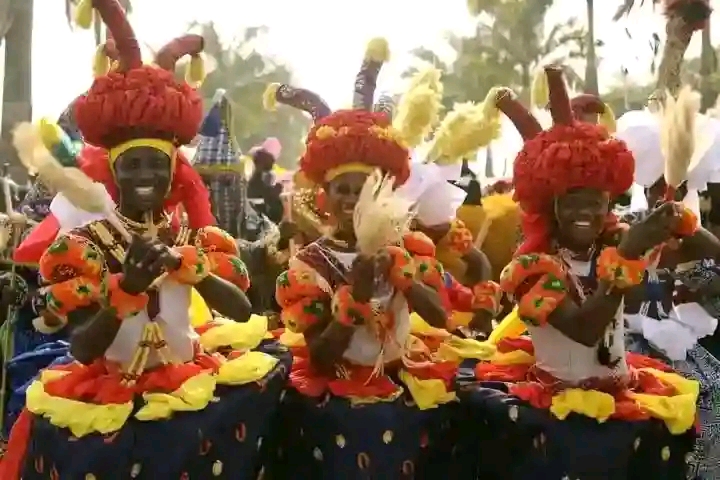
The Umalokun Olaja Festival is a significant cultural and spiritual event within the Itsekiri (Warri) Kingdom, celebrated as a remembrance of the ancestral migration from Benin to the coast. The festival is deeply rooted in Itsekiri cosmology and in the history of their founding ancestor, Ginuwa, whose 15th-century migration from the Benin Empire shaped the formation of the Warri Kingdom. The commemoration is centered around Umalokun, the water deity associated with the ocean’s depths, purification, fertility, and ancestral protection. The festival not only reinforces the Itsekiri people’s historical memory but also reflects their rich maritime identity.
The written record
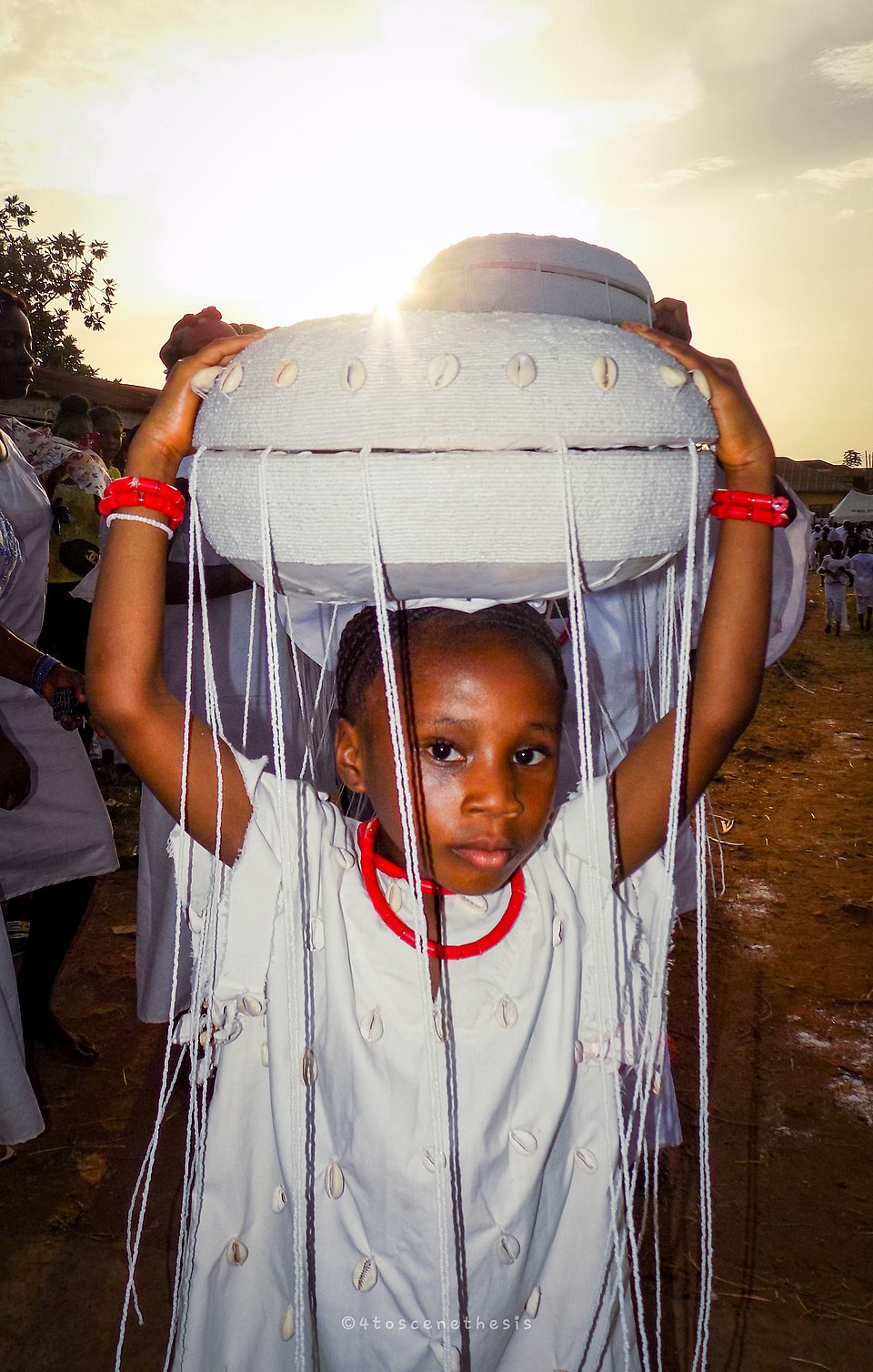
Photo credit: Wikimedia Commons/public domain
Historical context
Historical Background of the Migration from Benin
- The Journey of Prince Ginuwa (“Olua’s Son”)
According to historical summaries, Warri Kingdom entry, the Itsekiri trace the origins of their monarchy to Prince Ginuwa, son of Oba Olua of Benin, who departed from Benin around 1480. His followers journeyed southward until they settled in the coastal region that would become Warri (Iwere) Kingdom. Oral traditions describe this migration as a transformative event marked by water crossings, negotiations with indigenous groups, and spiritual encounters.
- Connection to Water Deities
Because the migration involved crossing creeks and moving toward the Atlantic coastline, water spirits became central to Itsekiri belief systems. Among these, Umalokun, a deity of the sea’s depths similar to Yoruba Olokun, became especially prominent. Scholars such as Alagoa and Ekeh observe that Itsekiri cosmology blends Benin and Yoruba elements, and water deities function as protectors of migrants, traders, and fishermen. The Umalokun Olaja Festival emerged as a ritualized remembrance of this ancestral crossing, symbolizing renewal, protection, and the historical foundation of the kingdom.
Meaning and Symbolism of the Umalokun Olaja Festival
- “Umalokun” as a Spiritual Force
Umalokun represents wealth, deep waters, ancestral transition, and mystical guardianship. In many Niger Delta religions, water deities are viewed as gatekeepers between the physical world and the ancestral realm. The festival invokes Umalokun as both protector and witness to the original migration of the Itsekiri people. The deity’s purification powers are also believed to cleanse individuals and the community.
- “Olaja” and the Idea of Crossing
In Itsekiri tradition, “Olaja” is associated with crossing or a significant journey, especially one involving water. The term evokes images of migration, movement, and transition from one phase of existence to another. Therefore, the Umalokun Olaja Festival symbolically reenacts the journey from Benin to the Delta, honouring the courage of ancestors and the spiritual protection that ensured their survival. The crossing symbolizes beginnings, continuity, and connection to ancestral homelands.
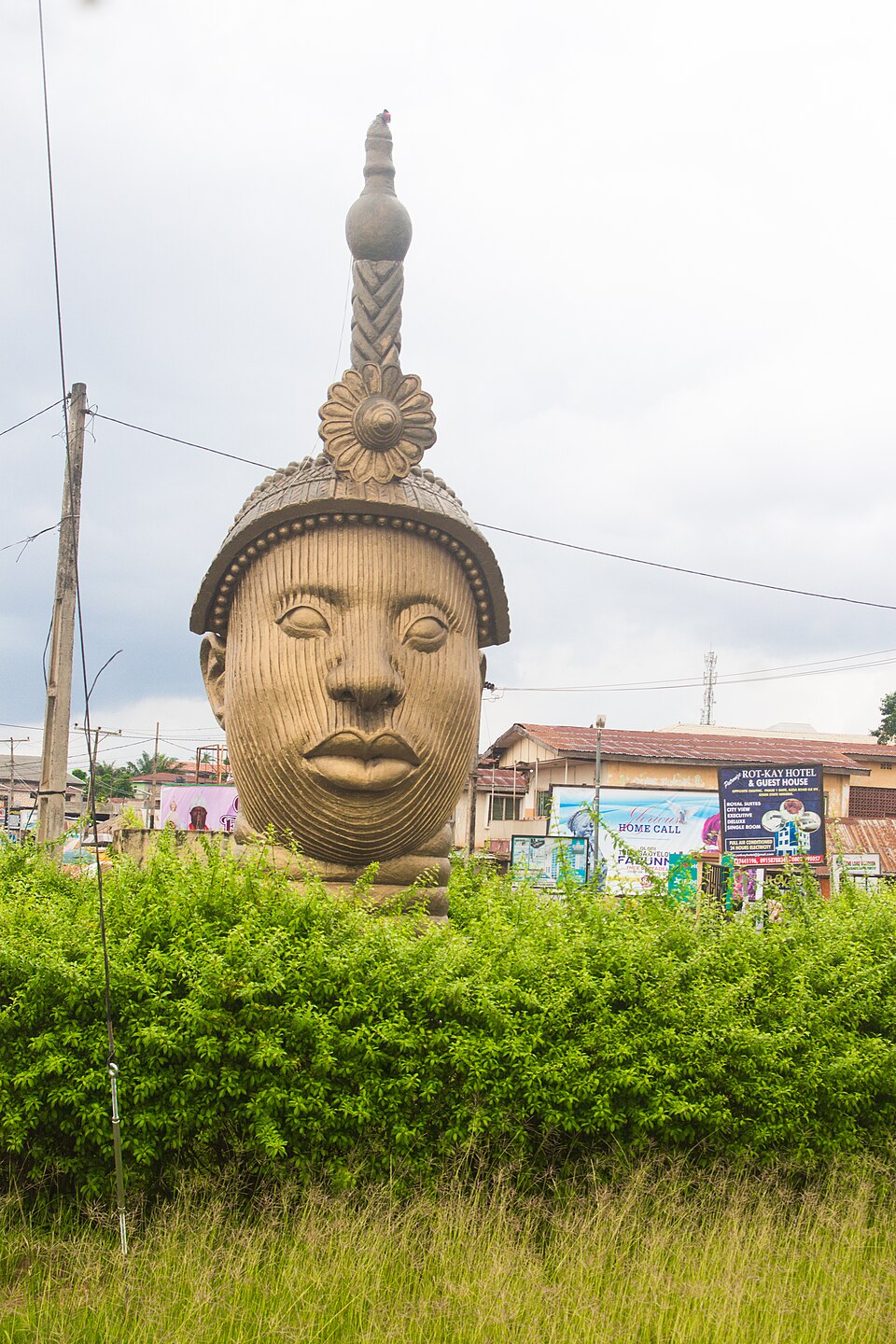
Photo credit: Tunde Akangbe via Wikimedia Commons.
Rituals and Ceremonial Practices
- Preparatory Rites and Community Purification
The festival begins with periods of cleansing, during which priests, chiefs, and community leaders visit sacred shrines linked to Umalokun. Ritual specialists may perform blessings for fishermen, women traders, and families. As documented by anthropologists such as Horton, Delta communities often use water rituals to rejuvenate social bonds and call upon ancestral protection.
- Processions to the Waterfront
One central element is the procession to the river or coastline, symbolizing the ancestral journey. Participants often dress in white garments symbolic of purity and associated with water spirits. Traditional drums, songs, and chants recount episodes from the migration narratives, especially the moment when Ginuwa’s followers crossed into the riverine territories.
- Offerings to Umalokun
Offerings may include food items, kola nuts, symbolic materials such as white cloth, and sometimes crafted objects representing the sea.
These offerings express gratitude for protection and request continued blessings for prosperity, safe travel, and fertility. The use of white items, noted by scholars of West African religion (e.g., Drewal), reflects widespread associations with water deities across the region.
- Reenactment of the Migration
During the festival, selected performers reenact the crossing from Benin. This dramatization often involves a canoe procession, representing the movement of ancestors into the creeks and lagoons. The performance is not merely theatrical; it is an act of cultural remembrance and spiritual invocation.
Social and Cultural Significance
- Preservation of Itsekiri Identity
The festival reinforces the Itsekiri people’s understanding of their origins and reinforces social cohesion. By retelling the story of Ginuwa’s migration, the event affirms the legitimacy of the monarchy and its historical connection to Benin.
- Link Between Religion and Kingship
Umalokun worship is closely associated with the royal court, as water deities traditionally protect the Olu and his subjects. The festival thus strengthens the bond between religious authority and political leadership.
- Promotion of Inter-Generational Memory
As elders narrate migration stories during the ceremonies, younger members learn their history. Oral historians often emphasize the significance of this tradition in sustaining cultural continuity.
- Economic and Tourism Impact
In modern times, the festival attracts visitors, researchers, and cultural enthusiasts, contributing to heritage tourism. It also provides opportunities for traditional dancers, artisans, and vendors.
Contemporary Relevance
- Continuity Amid Modernization
Despite Christianity and urbanization, the Umalokun Olaja Festival remains a prominent cultural celebration. Many Itsekiri people regard it as a historical festival rather than a strictly religious one, emphasizing identity, unity, and remembrance.
- Cultural Revitalization
There has been renewed scholarly and community interest in preserving Itsekiri festivals. Heritage organizations sometimes collaborate with local leaders to document rites, songs, and material culture associated with Umalokun.
The Umalokun Olaja Festival stands as one of the most symbolically powerful celebrations in Itsekiri cultural tradition. It commemorates the migration from Benin, honors the water deity Umalokun, and reinforces the historical, spiritual, and political identity of the Warri Kingdom. Through reenactments, rituals, and ceremonies, the festival not only keeps the memory of the ancestral crossing alive but also strengthens community cohesion and cultural resilience. As a living tradition, it remains a vital expression of Itsekiri heritage in the Niger Delta.
Sources and references
- Alagoa, E. J. (1972). A History of the Niger Delta. Ibadan University Press.
- Drewal, H. J. (1989). The art of Egungun among Yoruba peoples. African Arts, 22(3), 60–67.
- Ekeh, P. P. (2005). Studies in Urhobo Culture. Urhobo Historical Society.
- Horton, R. (1993). Patterns of Thought in Africa and the West: Essays on Magic, Religion and Science. Cambridge University Press.
Cite this article
Discussion
Sign in to join the discussion
Comments are checked by an editor before they appear. Leave a source or a correction and it is read first.
Continue reading
Related histories
 Anthropology and EthnographyThe Demography of Biafran Slave Exports (1650–1850)Read history →
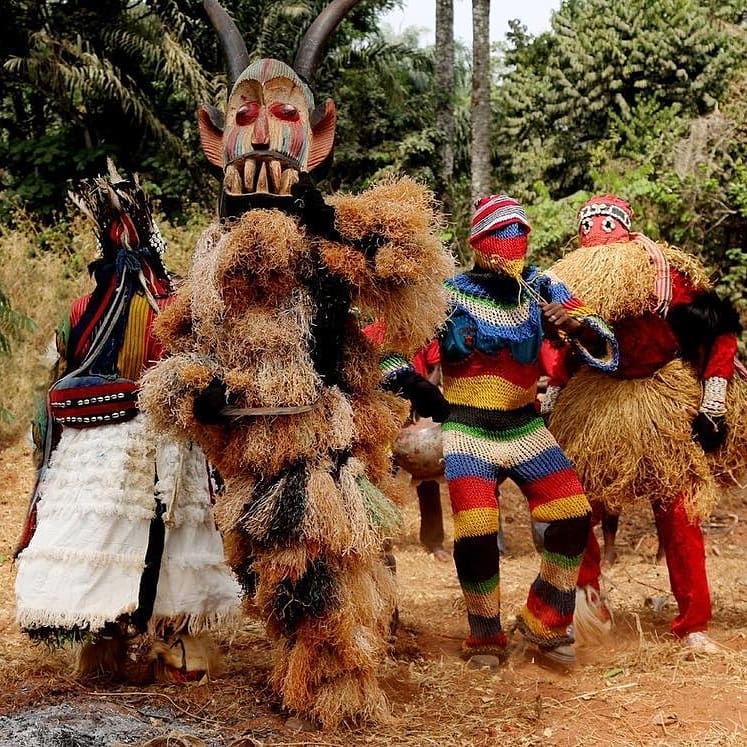 Anthropology and EthnographyMasquerade Traditions from Igboland to the Caribbean (Jonkonnu, Mocko Jumbie)Read history →
 Anthropology and EthnographyMapping Igbo Destinations in the Americas: A Comparative AnalysisRead history →
No comments yet
Nothing has been approved on this record yet. Comments are checked by an editor before they appear, so one written now shows on this page after that check.