 Ozikoro
 Anthropology and Ethnography · Published history
Umalokun: The Deity of the Sea and the Spiritual Heartbeat of Pre-Christian Itsekiri Life
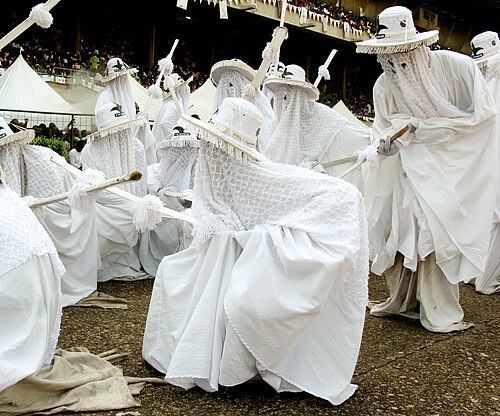
The Itsekiri people of the western Niger Delta developed a sophisticated religious worldview long before the arrival of Europeans in the 15th century. Central to this belief system was Umalokun (also spelled Omalokun, Olokun in Yoruba contexts), revered as the deity of the sea, wealth, prosperity, and spiritual depth. As a coastal and riverine people whose survival depended heavily on fishing, maritime trade, and lagoon-based economic activities, the Itsekiri regarded Umalokun as both the protector of their livelihoods and the custodian of their spiritual equilibrium.
The written record
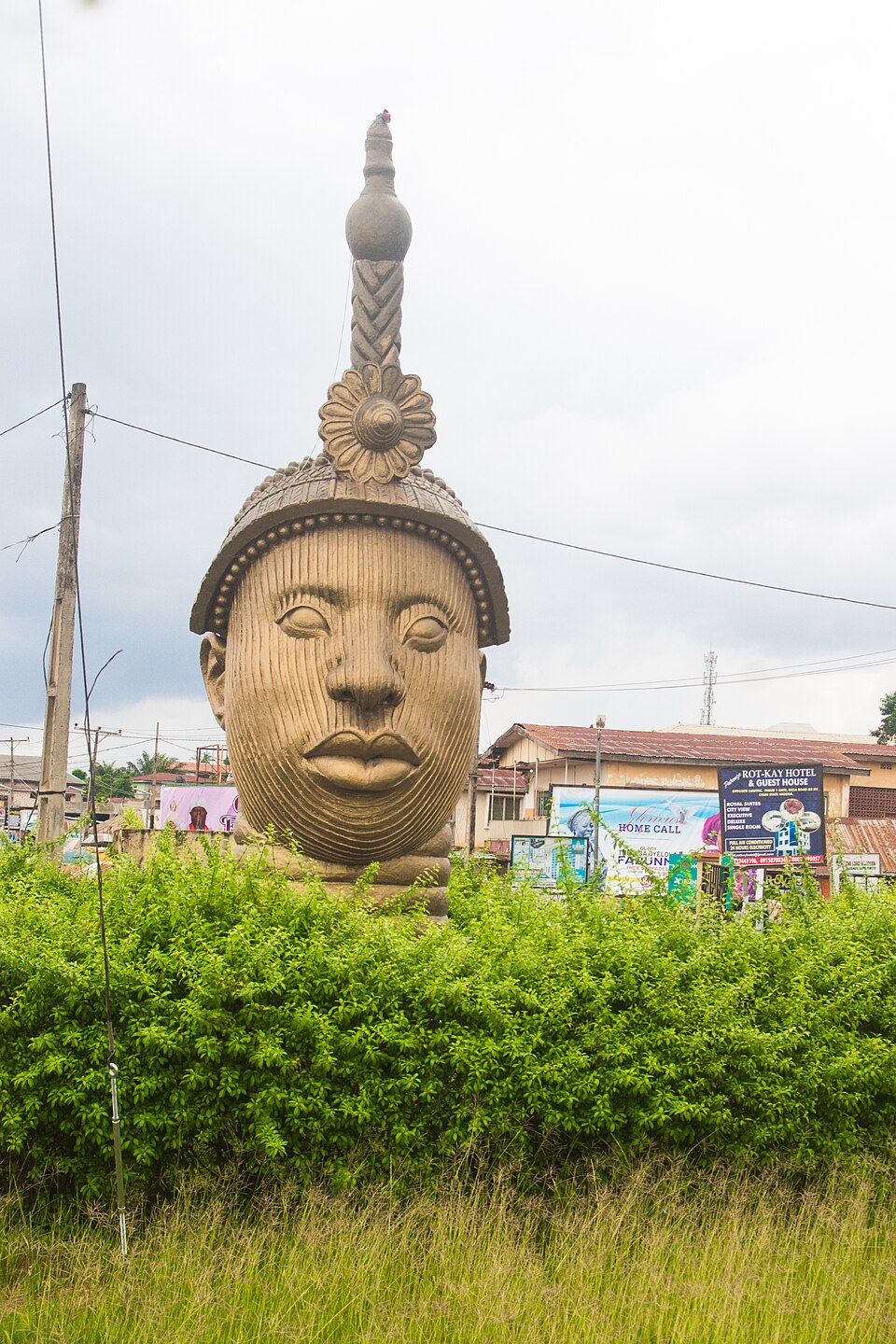
Photo credit; Tunde Akangbe via Wikimedia Commons.
This article explores Umalokun’s role as the spiritual heartbeat of pre-Christian Itsekiri society, examining the deity’s symbolism, priesthood, rituals, relationship to water cosmology, and the enduring cultural legacies that continue to shape Itsekiri identity.
Historical context
The Origins and Identity of Umalokun
- Mythological Background
Umalokun is traditionally described as a powerful water spirit who resides in the depths of the Atlantic Ocean and the surrounding estuaries. The deity is often associated with themes of mystery, depth, beauty, wealth, and fertility qualities tied closely to the sea itself. According to Itsekiri oral traditions, Umalokun governs not only the physical waters but also the “waters of life,” including the metaphysical realm between the living and ancestral worlds.
Though the name resembles Olokun in Yoruba cosmology, scholars argue that Umalokun developed as a uniquely Itsekiri manifestation shaped by centuries of maritime specialization. The Itsekiri version emphasizes the deity’s role in protecting fishing expeditions, guiding traders, and ensuring calm seas.
- Cross-Cultural Parallels
While scholars note that Olokun appears widely in Edo and Yoruba mythology, the Itsekiri conceptualization is materially different in function and social centrality. Egharevba observes that water deities were common across West African coastal cultures, from the Ga-Adangbe to the Efik, reflecting the broader pan-Atlantic belief in ocean spirits linked to wealth and spiritual depth.
Symbolism and Attributes of Umalokun
- Water, Wealth, and Prosperity
Umalokun symbolized the unpredictable yet life-giving nature of the sea. The deity’s attributes included:
Wealth (especially cowries, coral beads, fine cloth, and silver),
Beauty and purity,
Mystery and spiritual power,
Safe passage across water.
Cowries used historically as currency were considered direct gifts from Umalokun, making the deity a central figure in Itsekiri notions of prosperity and economic stability.
- Colours and Iconography
White and blue were dominant colours used in Umalokun shrines, representing purity and the ocean. Shrines often contained:
Large clay pots filled with water,
Seashells and cowries,
White cloth and chalk (efun) and
Small carved figures representing attendants or water spirits.
Such representations helped worshippers conceptualize Umalokun as a majestic ruler of underwater realms.
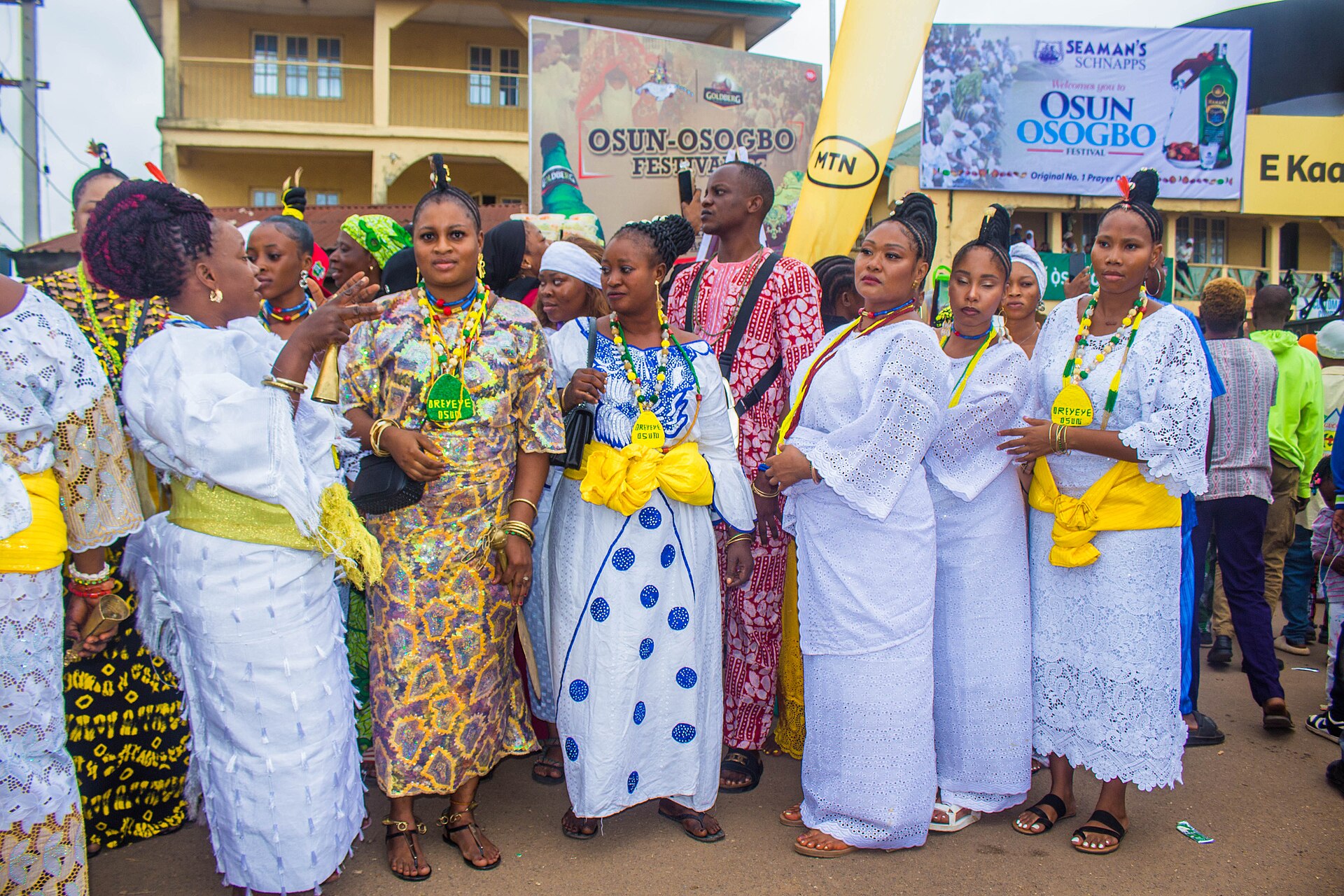
Photo credit: Tunde Akangbe via Wikimedia Commons.
Umalokun in Daily and Communal Life
- Rituals and Offerings
Rituals dedicated to Umalokun were major communal events. Offerings included fish, yams, kola nuts, palm wine, and white cloth symbolizing purity and appeasement. These rituals were believed to:
Cleanse the community spiritually,
Protect fishermen from storms,
Prevent drowning and maritime accidents and
Bring abundance during fishing seasons.
The communal nature of worship demonstrates how deeply intertwined spirituality was with the Itsekiri economic system.
- Priests and Priestesses
The spiritual leadership of Umalokun was traditionally held by a high priest or priestess (Ohen-Umalokun). These individuals underwent rigorous initiation, including isolation, learning sacred chants, and mastering divination. They served as:
Healers,
Custodians of water mysteries,
Intermediaries between the community and the deity,
Priests were believed to possess spiritual sight, enabling them to interpret dreams and signs from the waters.
Water Cosmology and the Itsekiri Worldview
- The Sea as a Spiritual Threshold
For the Itsekiri, water was not merely a natural element, it was a cosmological gateway. The sea connected the human world (aye) with the ancestral realm (orun), making Umalokun a bridge between generations. This belief shaped Itsekiri funeral traditions, especially among families connected to the sea.
- The Environmental Connection
Maritime ecology shaped religious life. The cycles of tides, storms, and fish migration were interpreted as signs from Umalokun. Fishermen often paused work after troubling omens, believing that ignoring such signs could provoke the deity’s anger.
Interactions with Christianity and Cultural Transformations
- Decline of Traditional Worship
Beginning in the 16th century, Portuguese Catholic missionaries introduced Christianity to Warri, an encounter that would eventually reshape Itsekiri religious practice. The ruling class converted early, leading to a fusion of European Christian culture and indigenous spirituality.
However, despite the spread of Christianity, Umalokun worship did not immediately disappear. Instead, it adapted, becoming more symbolic and less public. Many families continued private rituals while publicly adopting Christian customs.
- Cultural Syncretism
Some scholars argue that remnants of Umalokun spirituality persisted subtly within Christian practices, especially in the reverence for water during baptisms and the symbolic wearing of white garments during important rites.
Contemporary Relevance of Umalokun
- Cultural Revival and Memory
Today, Umalokun remains an important symbol in Itsekiri cultural identity. Even among Christians, references to Umalokun appear in proverbs, songs, festivals, and artistic practices. The deity is also represented in dance, especially during cultural displays and coronation ceremonies.
- Popular Culture and Heritage Preservation
Modern writers, artists, and cultural activists are exploring Umalokun as part of efforts to preserve Niger Delta indigenous knowledge systems. This revival aligns with global movements promoting indigenous spirituality as cultural heritage.
Umalokun stands as a profound representation of the Itsekiri people’s relationship with water, wealth, spirituality, and identity. As the deity who governed the seas, the lifeblood of the Itsekiri economy, Umalokun shaped daily life, ritual practice, communal identity, and cosmological understanding. Though Christianity transformed the religious landscape of Warri, the cultural memory of Umalokun endures, serving as a link between the ancient maritime heritage of the Niger Delta and contemporary Itsekiri identity. The deity remains a testament to the depth and sophistication of pre-Christian Itsekiri spirituality.
Sources and references
- Egharevba, J. (1968). A Short History of Benin (4th ed.). Ibadan University Press.
- Ekeh, P. (2005). Studies in Urhobo Culture. Urhobo Historical Society.
- Omijeh, J. (1983). “The Itsekiri and Their Neighbours.” Nigeria Magazine, 145, 12 –23.
- Olupona, J. K. (2014). African Religions: A Very Short Introduction. Oxford University Press.
Cite this article
Discussion
Sign in to join the discussion
Comments are checked by an editor before they appear. Leave a source or a correction and it is read first.
Continue reading
Related histories
 Anthropology and EthnographyThe Demography of Biafran Slave Exports (1650–1850)Read history →
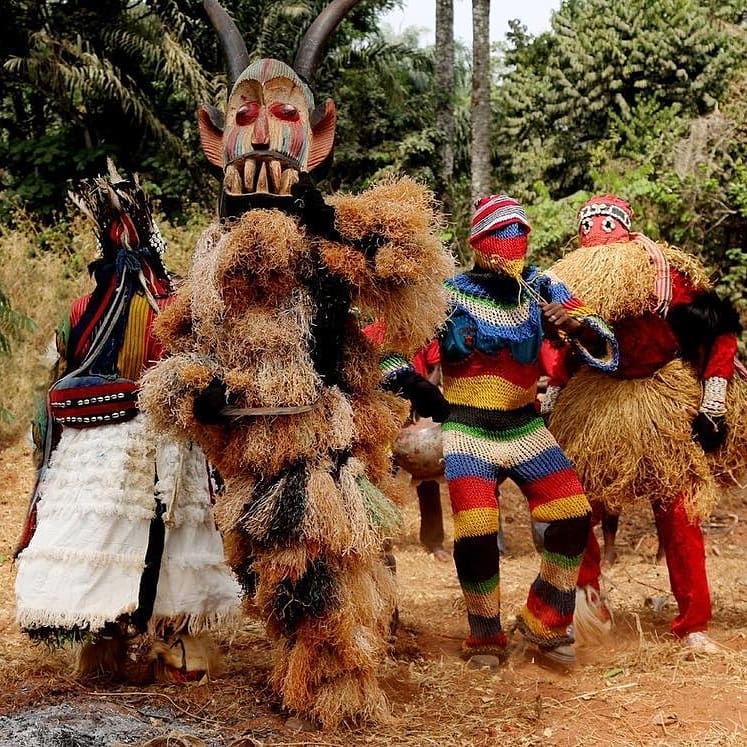 Anthropology and EthnographyMasquerade Traditions from Igboland to the Caribbean (Jonkonnu, Mocko Jumbie)Read history →
 Anthropology and EthnographyMapping Igbo Destinations in the Americas: A Comparative AnalysisRead history →
No comments yet
Nothing has been approved on this record yet. Comments are checked by an editor before they appear, so one written now shows on this page after that check.