 Ozikoro
 Anthropology and Ethnography · Published history
Why There Is a Cross on the Crown: The Symbol of the 17th-Century Christian Covenant Between the Olu and the Portuguese
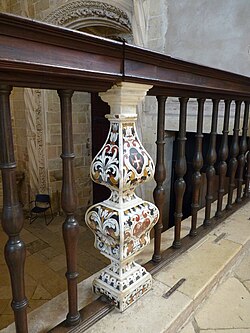
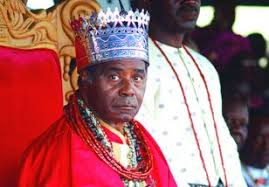
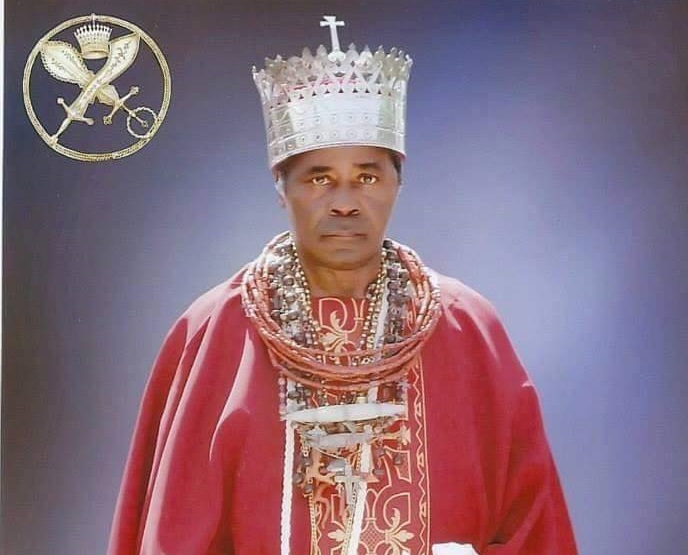
Among the Itsekiri people of the Warri Kingdom, one of the most distinctive features of the royal regalia is the cross engraved on the crown of the Olu. This Christian symbol, so visibly displayed on a traditional African monarch’s headpiece, reflects a centuries-old diplomatic and religious covenant between the Warri monarchy and the Portuguese. Emerging from early encounters in the 16th and 17th centuries, the cross became more than a religious emblem; it symbolized alliance, legitimacy, international recognition, and a shared spiritual identity.
The written record

Historical context
Early Portuguese-Itsekiri Encounters
- Arrival of the Portuguese in the Niger Delta
The Portuguese arrived in the Niger Delta in the late 15th and early 16th centuries, establishing early contact with coastal societies, including the Itsekiri. According to Ryder, the Warri Kingdom quickly became one of Portugal’s most stable allies in West Africa, engaging in trade, diplomacy, and religious exchange.
The First Mission and the Spread of Christianity
The 1516 Portuguese mission to Ijala, documented in both oral tradition and European writings, marked the beginning of Christian evangelization among the Itsekiri. Catholic priests introduced the cross, Christian texts, vestments, and rituals, laying the foundation for the Warri monarchy’s later adoption of Christian symbolism.
The 17th-Century Christian Covenant
- Olu Atorongboye (Sebastian I) and the Rise of Christian Royalty
The formal Christian covenant between the Itsekiri monarchy and the Portuguese took shape under Olu Atorongboye (Sebastian I), who reigned in the late 16th century. He was baptized as “Sebastian,” named after King Sebastian of Portugal. This baptism symbolized loyalty, alliance, and a shared spiritual destiny.
The choice of name was strategic: it represented an African monarch entering the Catholic world and becoming spiritually linked to the Portuguese crown.
- Olu Atuwatse I (Dom Domingos) and the Institutionalization of Christianity
The covenant reached full maturity under Olu Atuwatse I (Dom Domingos), the first Sub-Saharan African royal to graduate from a European university (University of Coimbra, 1611). His education deepened the royal family’s Christian identity. Upon returning to Warri, he strengthened church institutions, elevated Christian priests, and reconstructed the monarchy around Christian values.
During his reign, the cross became a central symbol of royal legitimacy, representing both divine grace and foreign alliance.
- The Cross as a Symbolic Seal of Alliance
The Portuguese often bestowed Christian regalia on African Christian rulers, including crowns decorated with crosses. These items symbolized spiritual brotherhood, military-diplomatic partnership, shared religious identity and recognition by European Christian powers.
Talbot notes that Portuguese influence among the Itsekiri was unlike that in most other Niger Delta societies, because the Itsekiri monarchy formally incorporated Christian symbolism into its kingship structure.
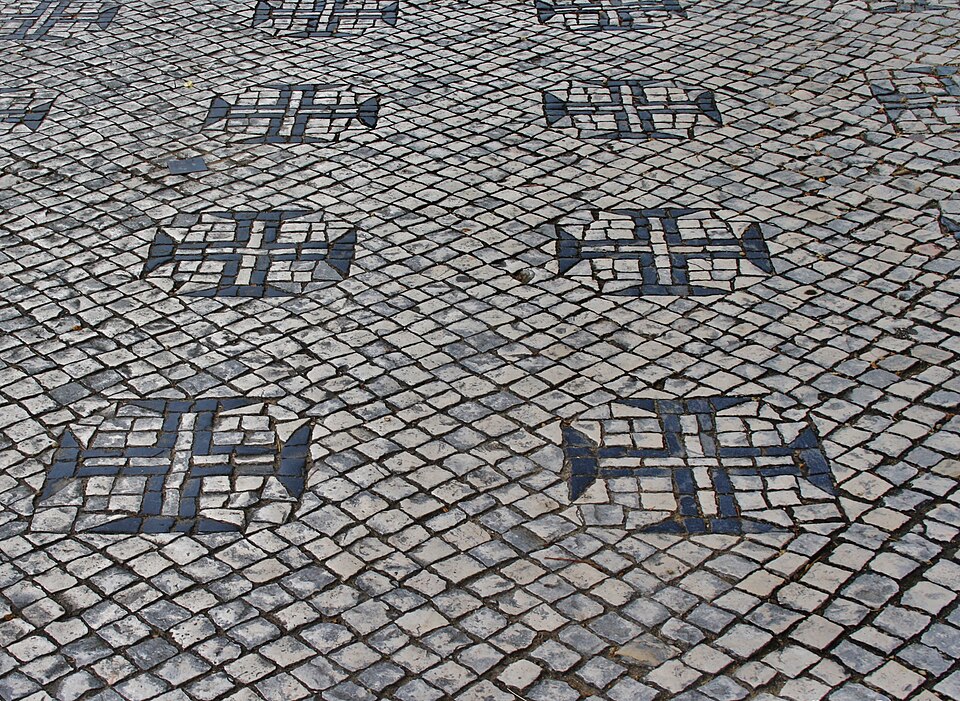
Photo credit; Filipefirix via Wikimedia commons
Incorporation of the Cross into Royal Regalia
- Adoption of the Cross on the Crown
By the 17th century, the Itsekiri crown traditionally adorned with coral beads, bronze ornaments, and symbolic motifs received an important addition: a cross placed prominently at its apex. This transformation was both aesthetic and political.
The cross represented the Christian identity of the Olu, the sacred covenant with Portugal and the divine sanction believed to accompany the monarchy.
- Fusion of Indigenous and Christian Iconography
The Itsekiri did not simply replace indigenous symbols with European ones, they fused both. The result was a crown that embodied Itsekiri artistic traditions, Christian spirituality, and Portuguese diplomatic legitimacy.
This synthesis produced a monarchy that was both African and cosmopolitan, rooted in local customs yet connected to global Christian networks. Use of the Cross in Ceremonies and Palace Art
Apart from the crown, the cross appeared in royal robes embroidered with Christian motifs, palace carvings and ceremonial staffs, religious processions led by the Olu, diplomatic gifts exchanged with Europeans.
These uses reinforced the monarchy’s identity as a Christian kingdom recognized across the Atlantic.
Political and Diplomatic Importance of the Cross
- Enhancing Royal Legitimacy
Displaying the cross on the crown strengthened the Olu’s spiritual authority. It presented the king as both a political ruler and a Christian leader whose power aligned with divine will.
- Diplomacy and Foreign Recognition
Through the cross, the Warri monarchy signaled its participation in the international Christian order. European traders and missionaries saw the kingdom as a reliable partner. This improved access to firearms, commercial privileges, literacy and missionary education
diplomatic correspondence with European courts.
Olu Atuwatse I’s education in Portugal exemplifies how this symbolism shaped political opportunities.
- Local Political Consolidation
The cross helped the monarchy strengthen unity among diverse Itsekiri communities. It functioned as a shared religious symbol that transcended lineage and ward divisions, presenting the Olu as a sacred, God-ordained leader.
Cultural and Spiritual Legacy
- A Lasting Mark of Christian Identity
The cross on the crown has survived centuries of political change, colonial interference, and modernization. Even today, during the coronation of contemporary Olus, the cross remains an essential emblem.
The Cross as a Symbol of Early Globalization
The Itsekiri-Portuguese relationship was one of the earliest successful Afro-European alliances. The cross symbolizes this early globalization proof that African kingdoms engaged the world diplomatically and spiritually long before colonialism.
- Continuity in the 21st Century
Modern Itsekiri monarchs, including Ogiame Atuwatse III, maintain the Christian character of the monarchy. The presence of the cross in regalia demonstrates fidelity to ancestral covenants, continuity of tradition and the kingdom’s unique hybrid heritage.
The cross on the crown of the Olu of Warri is far more than a religious emblem; it is the enduring symbol of a 17th-century Christian covenant forged between the Itsekiri monarchy and the Portuguese. Rooted in the early baptisms of Olu Atorongboye and Olu Atuwatse I, strengthened by diplomatic exchanges, and immortalized in royal regalia, the cross represents alliance, legitimacy, and a distinctive cultural synthesis. Its continued presence today speaks to the resilience of Itsekiri identity and the lasting influence of early Afro-European interactions.
Sources and references
- Egharevba, J. (1968). A short history of Benin. Ibadan University Press.
- Ryder, A. F. C. (1969). Benin and the Europeans, 1485–1897. Longmans.
- Talbot, P. A. (1926). The peoples of Southern Nigeria. Oxford University Press.
- Ughere, O. (2018). Portuguese missionary influence in the Niger Delta: A study of Itsekiri-Christian relations. Journal of Delta Studies, 5(2), 41–59.
Cite this article
Discussion
Sign in to join the discussion
Comments are checked by an editor before they appear. Leave a source or a correction and it is read first.
Continue reading
Related histories
 Anthropology and EthnographyThe Demography of Biafran Slave Exports (1650–1850)Read history →
 Anthropology and EthnographyMasquerade Traditions from Igboland to the Caribbean (Jonkonnu, Mocko Jumbie)Read history →
 Anthropology and EthnographyMapping Igbo Destinations in the Americas: A Comparative AnalysisRead history →
No comments yet
Nothing has been approved on this record yet. Comments are checked by an editor before they appear, so one written now shows on this page after that check.