 Ozikoro
Anthropology and Ethnography · Published history
The Agbogho Mmuo Masquerade: A Symbol of Igbo Femininity, Beauty, and Spiritual Continuity
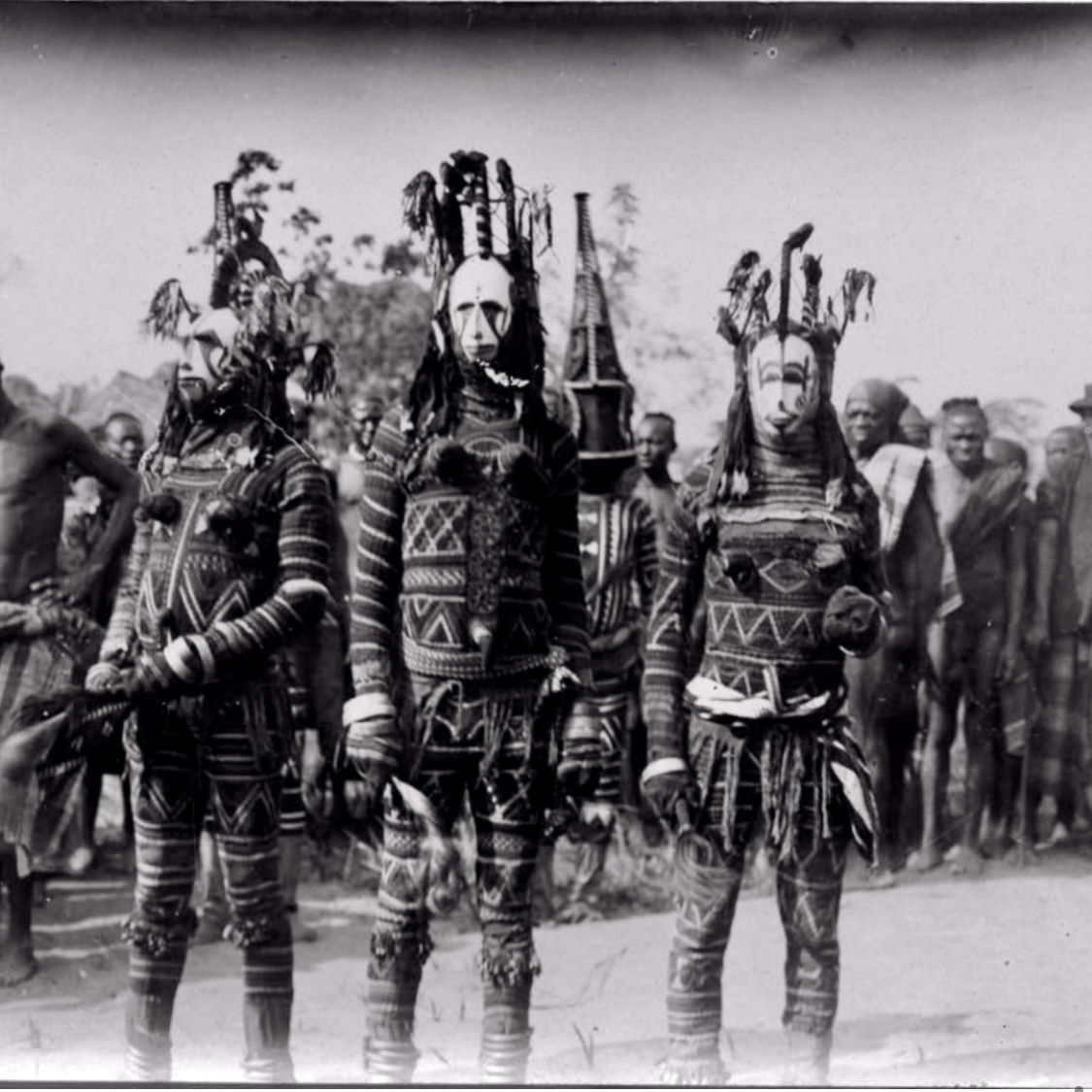
The Agbogho Mmuo masquerade is a revered Igbo cultural tradition honoring the spirits of deceased maidens. Performed by men, this masquerade embodies youthful beauty, grace, and purity. Northcote Thomas’s early 20th-century photographs provide valuable insights into this captivating tradition.
The written record
Agbogho Mmuo represents:
1. Idealized femininity: Embodying youthful beauty and innocence.
2. Spiritual continuity: Connecting the living to the spirit world.
3. Celebration of life: Honoring deceased maidens and reinforcing Igbo values.
Historical context
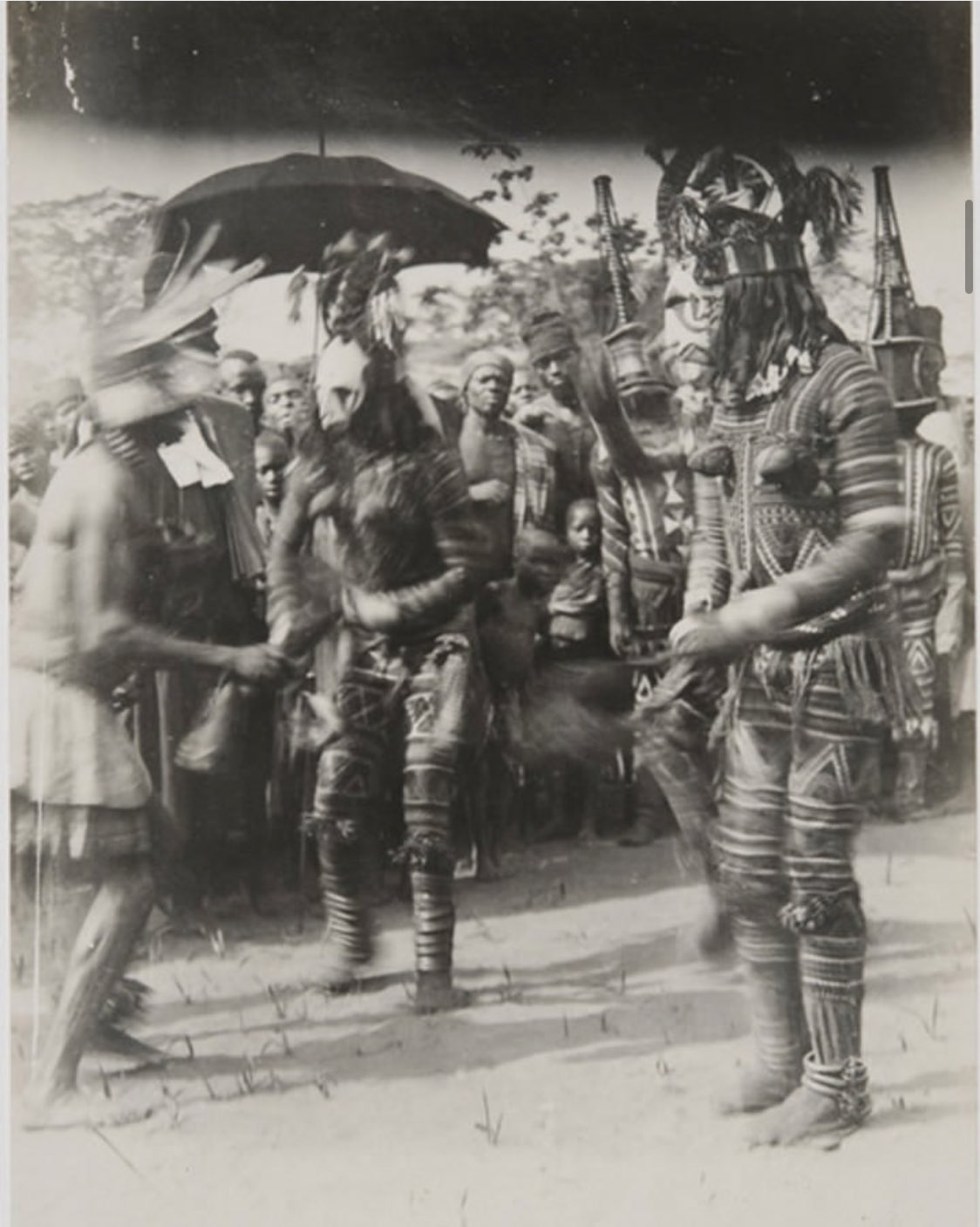 Photos of Agbogho Mmuo (maiden spirit) maskers, early 1900s taken by Northcote Thomas.
The Agbogho Mmuo masquerade embodies the spirit of deceased maidens and represents ideals of youthful beauty, grace, and purity. This masquerade is typically performed by men during specific festivals and ceremonies, despite its representation of female spirits.
symbolizes the spirits of young, unmarried girls who have died. These spirits are believed to continue to live in the spiritual world, where they are idealized for their beauty and innocence.
Agbogho Mmuo maskers wear elaborate and brightly colored costumes designed to mimic the appearance of young women. They dance is highly theatrical, with exaggerated gestures intended to display the idealized version of youthful femininity.
Through this masquerade, the Igbos celebrate beauty, femininity, and the continuity of life, keeping the connection between the living and the spirit world alive.
Sources and references
- Thomas, N. W. (1913). Anthropological Report on the Ibo-speaking Peoples of Nigeria. London: Harrison and Sons.
- Isichei, E. (1976). The Igbo people. London: Heinemann.
- Ugwu, A. (2009). Igbo history and culture. Onitsha: Africana Publishers.
Cite this article
Discussion
Sign in to join the discussion
Comments are checked by an editor before they appear. Leave a source or a correction and it is read first.
Continue reading
Related histories
 Anthropology and EthnographyThe Demography of Biafran Slave Exports (1650–1850)Read history →
 Anthropology and EthnographyMasquerade Traditions from Igboland to the Caribbean (Jonkonnu, Mocko Jumbie)Read history →
 Anthropology and EthnographyMapping Igbo Destinations in the Americas: A Comparative AnalysisRead history →
No comments yet
Nothing has been approved on this record yet. Comments are checked by an editor before they appear, so one written now shows on this page after that check.